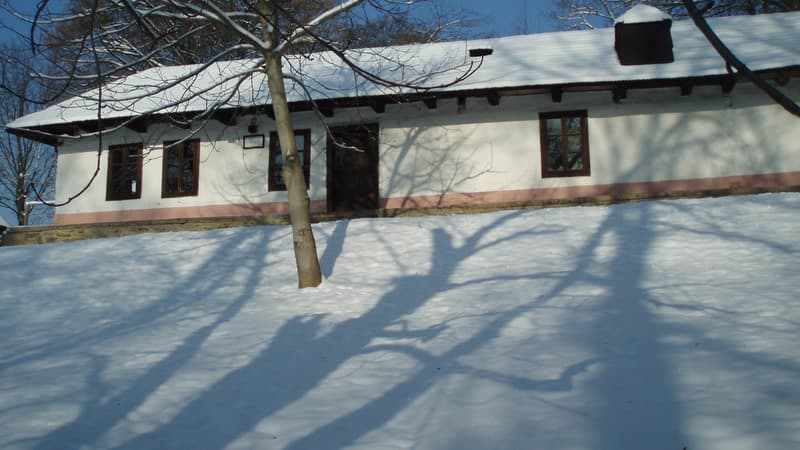
Winter hits rural homes harder. Power lines run through exposed countryside, roads and tracks may not be gritted, and many homes depend on electricity for their water pump, heating controls and septic treatment plant. A little preparation in autumn makes a long cold snap or a storm much easier. This checklist covers heating, water, power cuts, snow and ice, and your rights when things go wrong.
If you need a boiler service, a sweep, a generator installed or a gritting contract, use the form on this page. We look for up to 3 local suppliers who cover your area.
Autumn checklist
- Service the boiler and check the oil tank or LPG supply
- Sweep the chimney before the heating season
- Test smoke and carbon monoxide alarms
- Insulate exposed pipes and know where your stopcock is
- Clear gutters, downpipes and drains
- Join the Priority Services Register if you're eligible
- Check torches, batteries, a battery radio and power banks
- Arrange snow clearing or gritting for a long drive or track
- Store contact details: your network operator, fuel supplier and a local electrician or plumber
The sections below explain each step.
Heating and fuel
Oil and LPG
Order fuel before you run low, as deliveries can be delayed in snow and ice. OFTEC recommends that oil tanks are visually checked by a competent person at the annual boiler service, and that you check them yourself between services, particularly after extreme weather, which can put tanks under extra stress OFTEC. Look for cracks, bulges, leaks or a damaged bund, and check that the tank's contents gauge is working.
Chimneys and stoves
The Scottish Fire and Rescue Service advises a thorough clean before winter, because dust, debris and blockages can build up while a chimney isn't used over summer Scottish Fire and Rescue Service. HETAS, a government-authorised competent person scheme for solid fuel and biomass GOV.UK, also says the best time to sweep is just before the heating season HETAS. Stock up on dry, seasoned wood: see our chimney and wood burner safety guide.
Carbon monoxide
Winter is when appliances work hardest and windows stay shut. The NHS advises a CO alarm in each room with an appliance that burns gas, oil, coal or wood, and regular servicing by a qualified, registered engineer NHS.
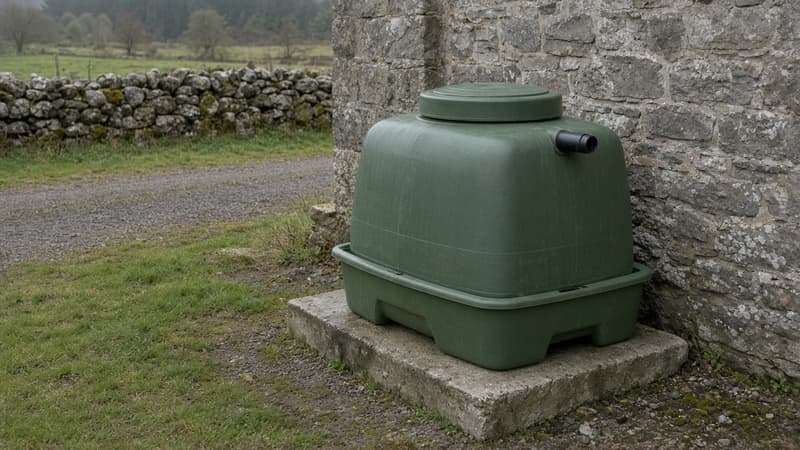
Water: pipes and private supplies
Frozen and burst pipes are a common winter problem in older and exposed homes. If you have a private water supply, mygov.scot suggests protecting pipes from freezing by covering them with insulating sleeves or laying them underground mygov.scot. The same principle applies to any exposed pipes in lofts, outbuildings and under floors.
mygov.scot also warns that if you rely on a private supply, you need to plan how you'll get water in an emergency such as a drought or storm mygov.scot. Remember that a borehole pump and UV treatment both need electricity. Keep some bottled water in, and read our private water supply guide.
A septic tank keeps working without power, but a package treatment plant doesn't treat sewage properly while its pump is off. Our septic tank maintenance guide explains the difference.
Power cuts: what to do and what you're owed
Report it
For an unplanned power cut, report it on your local network operator's website or call 105 free, which puts you through to your electricity network operator Ofgem. Save the number in your phone now.
How quickly power should be restored
Ofgem says network operators in England, Scotland and Wales must fix the problem within 12 hours outside severe weather, 24 hours in "category 1" severe storms and 48 hours in "category 2" storms, depending on how many homes and businesses are affected Ofgem.
Compensation
| Situation | Payment for homes |
|---|---|
| Normal weather: power off for more than 12 hours (fewer than 5,000 properties affected) or more than 24 hours (5,000 or more) | £100, plus £45 for each further 12 hours |
| Storm category 1 | £90 for the first 24 hours, plus £45 for every 6 hours after |
| Storm category 2 | £90 for the first 48 hours, plus £45 for every 6 hours after |
| More than 4 power cuts between 1 April and 31 March, each lasting at least 3 hours | An extra £100 (you must claim) |
Source: Ofgem. The maximum for the storm categories is £2,235. You don't need to claim for most payments: your network operator pays automatically, by cheque, cash, bank transfer or through your energy supplier. If you haven't been paid after a few months, Ofgem says to contact your network operator directly Ofgem. See our power cut compensation page.
The Priority Services Register
Your energy supplier and your network operator both keep a Priority Services Register. Ofgem says the help can include priority support in an emergency wherever possible, advance notice of scheduled power cuts, and a password scheme so you know a visitor is genuine Ofgem.
You can ask to join if, for example, you've reached state pension age, are pregnant or have young children, have a disability or long-term medical condition, or use medical equipment that needs a power supply. Help is also available if your circumstances have recently changed, such as recovering from an injury. If you have different suppliers for gas and electricity, contact each separately, and re-register if you switch Ofgem.
Backup power, safely
Compensation won't keep your freezer, water pump or heating running. Options range from a small portable generator for essentials to a standby generator or battery system wired into the house. Any connection to your home's wiring should be designed and installed by a qualified electrician, using a proper changeover switch so power can't flow back into the grid.
The NHS warns not to leave vehicles or other engines running in enclosed spaces such as a garage, because of the risk of carbon monoxide NHS. Run portable generators outdoors, well away from doors and windows. Batteries that store electricity in homes are zero-rated for VAT until 31 March 2027 HMRC. See our off-grid power and generators page.
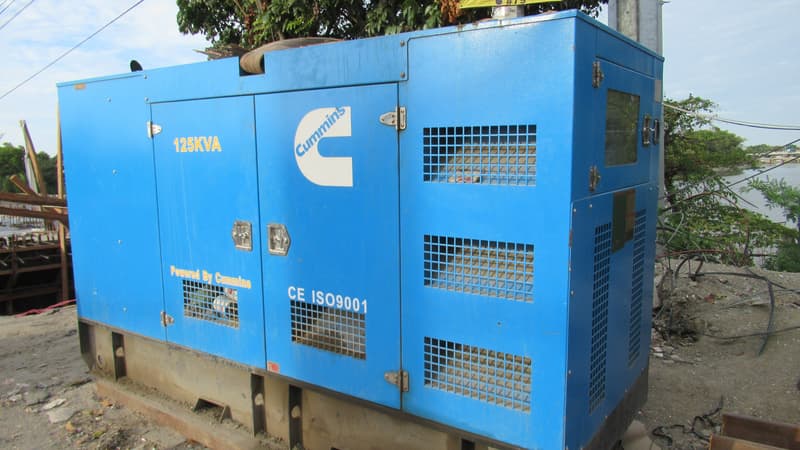
Snow and ice
Public roads
In England and Wales, highway authorities have a duty to ensure, as far as reasonably practicable, that safe passage along a highway isn't endangered by snow or ice Highways Act 1980. In Scotland, roads authorities must take the steps they consider reasonable to prevent snow and ice endangering pedestrians and vehicles on public roads Roads (Scotland) Act 1984. Neither duty covers private drives or farm tracks, so many rural homes are on their own.
Clearing it yourself
GOV.UK says you can clear snow and ice from pavements yourself, and that it's unlikely you'll be sued or held responsible if someone is injured, as long as you've cleared it carefully GOV.UK. Keep salt or grit, a proper snow shovel and a supply of sand for traction.
Contractors
For a long drive, a holiday let or a business, a gritting and snow clearing contract can be worth it. Ask what triggers a visit, whether it's priced per visit or per season, and what happens if heavy snow stops them reaching you. See our gritting and snow clearing page.
Roofs, gutters and drains
Winter storms find weak spots. Historic Environment Scotland notes that overflowing water from a blocked downpipe can quickly saturate masonry, and that a dislodged slate or failed flashing can let moisture build up in walls, timber and plaster, often slowly and unnoticed Historic Environment Scotland. Clear gutters after leaf fall and check the roof from the ground after a storm. Our guide to damp in old stone houses explains why.
Empty homes, holiday lets and outbuildings
A property that stands empty over winter is most at risk, because a burst pipe or a leaking roof can go unnoticed for weeks. Before you leave a house, holiday let or annex empty:
- leave the heating on a low frost setting, or drain down the water system if it will be empty for a long time
- turn off the water at the stopcock if the heating will be off
- ask a neighbour or a local caretaker to check the property regularly, especially after storms or a freeze
- make sure any oil tank, gas cylinders and fuel stores are secure
- check your insurance policy's conditions for unoccupied properties
For barns, workshops and stables, lag or drain any outside taps and pipes, and check that guttering and roof sheets are secure before the first storms arrive.
Frequently asked questions
What number do I call in a power cut?
Call 105 free, which puts you through to your local electricity network operator Ofgem.
How much compensation do I get for a power cut?
Outside severe weather, homes can get £100 plus £45 for each further 12 hours. In severe storms, £90 for the first 24 or 48 hours depending on the category, plus £45 for every 6 hours after Ofgem.
Who can join the Priority Services Register?
People of state pension age, pregnant people or families with young children, and people with a disability, long-term medical condition or medical equipment that needs power, among others Ofgem.
Does the council have to grit my private road?
No. The duties on highway and roads authorities cover public roads, not private drives or tracks Highways Act 1980 Roads (Scotland) Act 1984.
Can I be sued for clearing snow outside my house?
GOV.UK says it's unlikely you'll be sued or held responsible if someone is injured, as long as you've cleared it carefully GOV.UK.