A rural home's driveway can be a few metres of gravel or a kilometre of track across fields, shared with neighbours, farm vehicles and the oil tanker. Either way, it's usually the owner's job to keep it usable all year. This guide explains why tracks fail, the surface options, why drainage matters most, and the planning, watercourse and highway rules that can catch out rural owners, using GOV.UK, Environment Agency and legislation sources.
If you need a track repaired or a new drive built, use the form on this page. We look for up to 3 local suppliers who cover your area.
Why rural tracks fail
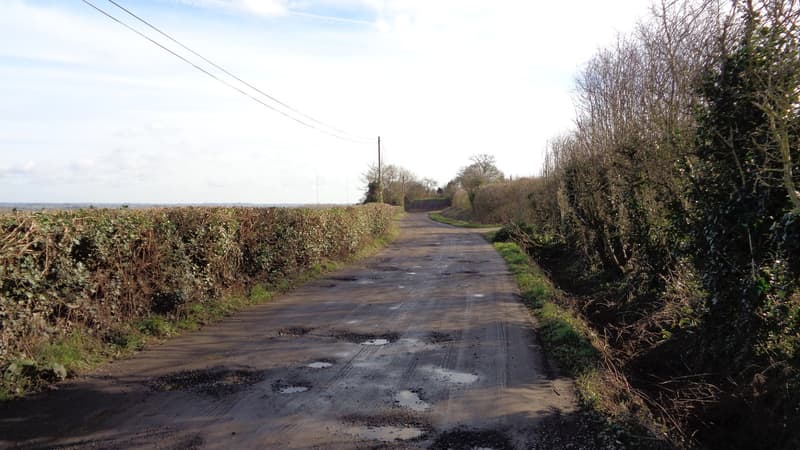
Most potholes on private tracks start with water. When rain can't drain off the surface, it soaks into the base, traffic breaks up the softened layers, and freezing and thawing in winter makes it worse. Heavy vehicles such as tractors, delivery lorries and fuel tankers speed this up, especially on tracks built for lighter use.
So filling potholes without fixing drainage rarely lasts. A good contractor will look at:
- Camber or cross-fall. The surface should shed water to the sides rather than letting it run down the middle or pond in dips.
- Side ditches and grips. Water leaving the surface needs somewhere to go. Blocked ditches send it back onto the track.
- Cross drains. On slopes, water running down the track gathers speed and scours the surface. Cut-off drains or channels across the track take it off at intervals.
- The base. A thin layer of stone over soft ground will rut and pot quickly, whatever goes on top.
Surface options
- Graded stone (crushed stone or recycled aggregate). It's the usual choice for long farm tracks: cheaper to lay and easy to regrade and top up, but it needs periodic maintenance.
- Gravel over a well-compacted sub-base. It's popular for driveways near the house and permeable, but it can migrate on slopes and needs edging.
- Tarmac or asphalt. Durable and low-maintenance on heavily used or steep sections, but it costs more and is impermeable unless a porous type is used.
- Concrete. Very hard-wearing for yards and steep sections, but impermeable, and cracks need managing.
- Grass reinforcement grids for overflow parking and occasional-use areas.
Many rural properties use a mix: graded stone for the long run, and a sealed surface for the steep bit or the area by the house.
Planning permission
Driveways at the house
In England, since 1 October 2008, hard surfacing of more than 5 square metres of a domestic front garden has only been permitted development if the surface is permeable or the water drains to a permeable area. Impermeable materials such as traditional concrete with no provision for drainage need planning permission GOV.UK. The government guidance explains the options, including permeable surfaces, soakaways and rain gardens GOV.UK.
Farm tracks
On agricultural units of 5 hectares or more, the General Permitted Development Order allows engineering operations reasonably necessary for agriculture. But before forming or altering a private way, the developer must apply to the local planning authority for a determination of whether prior approval is needed for its siting and means of construction GPDO Schedule 2 Part 6. A track for a house, rather than for farming, doesn't benefit from these agricultural rights, so check with your council.
New entrances onto a road
Permitted development for a new access onto a highway is limited. It covers access to a road that isn't a trunk or classified road, and only where the access is needed for other permitted development GPDO Part 2. Where vehicles cross a pavement, you need to apply to your council for a dropped kerb GOV.UK. Gates at the entrance next to the road are limited to 1 metre high under permitted development GPDO. See our guide to fencing and gates.
Crossing ditches and streams
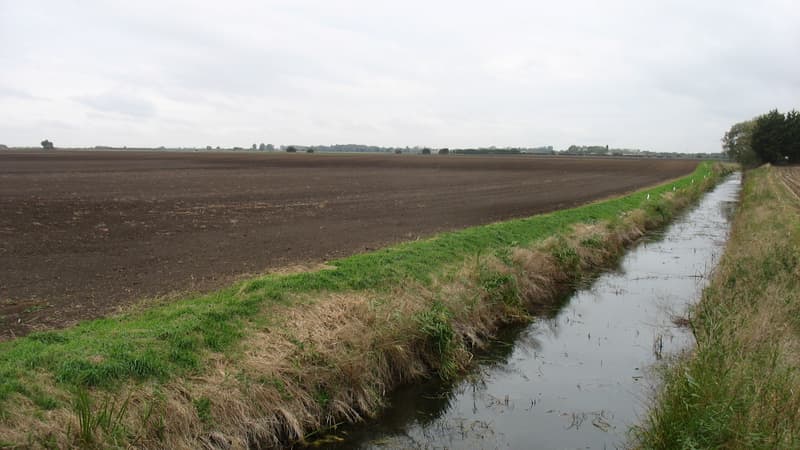
Many tracks cross a ditch or stream, and these crossings are often where problems start. Under Environment Agency guidance, a watercourse includes any stream flowing in a defined channel or through an underground pipe or culvert, even one that's dry for long periods Environment Agency.
- You must find out which permissions you need before you maintain, repair, build or remove anything in or around a watercourse, including a bridge or culvert. You can be fined or imprisoned if you don't Environment Agency.
- The Environment Agency says risk management authorities are unlikely to give permission to build a new culvert, because culverts can increase flood risk and damage the environment Environment Agency. A bridge may be the better option.
- On or near a main river, work such as building a structure in, over or under the river, or any activity within 8 metres of the bank, may need an environmental permit Environment Agency.
- For other watercourses, ask your lead local flood authority or internal drainage board Environment Agency.
As a landowner, you must let water flow naturally. If blockages such as fallen trees or debris on your land reduce the flow or cause flooding to other landowners' property, you may have to remove them and pay damages Environment Agency. Scotland, Wales and Northern Ireland have their own regulators, so check before any work. Our drainage page covers land drains and soakaways.
Public rights of way on your track
If a public footpath, bridleway or byway runs along your track, you must keep it visible and not obstruct or endanger users Natural England. You must not disturb the surface of byways, restricted byways and unsurfaced public roads, for example by cultivating Natural England. Check with the highway authority before resurfacing or changing a right of way.
Mud and debris on the road
Where a track meets a public road, tractors and lorries can carry mud onto it. In England and Wales, under the Highways Act 1980, it's an offence to deposit anything on a highway, without lawful authority or excuse, if it injures or endangers a road user Highways Act 1980, s161. It's also an offence to deposit anything on a highway that interrupts users Highways Act 1980, s148. In Scotland, the person in charge of a vehicle commits an offence if they let mud, clay, farmyard manure or other material from the vehicle or its load drop onto a road so as to create a danger or substantial inconvenience, and don't remove it as soon as reasonably practicable. The roads authority can recover its costs of clearing it Roads (Scotland) Act 1984, s95. In Northern Ireland, it's an offence to deposit rubble, dung or any other thing on a road where it causes, or is likely to cause, an obstruction or danger Roads (NI) Order 1993, art 94. A hard-surfaced section near the road and regular cleaning help.
Shared tracks
Many rural tracks serve several properties. Who must maintain them, and who pays, depends on the deeds and any access agreements. Check your title documents before arranging work, and agree costs in writing with the other users. Most title plans don't show exact boundaries GOV.UK, so if a dispute is likely, settle where the track and verges lie first.
Winter
Highway authorities in England and Wales have a duty to ensure, as far as reasonably practicable, that safe passage along a highway isn't endangered by snow or ice Highways Act 1980, s41. That doesn't extend to private tracks. Our guide to gritting and snow clearing for rural tracks explains your options.
Looking after a stone track
A graded stone track needs regular attention, but little and often is far cheaper than a full rebuild:
- Walk it after heavy rain. Look for where water runs along the track instead of off it, and where it ponds. Those spots will be the next potholes.
- Keep ditches, grips and cross drains clear of leaves, silt and vegetation, especially in autumn.
- Regrade before the potholes get deep. Reshaping the surface and restoring the camber with a grader or box blade, then adding fresh stone where needed, gives a longer life than patching.
- Manage the centre strip. Grass growing down the middle traps water, so scrape or regrade it as part of routine work.
- Protect the edges. Verges eroded by wide vehicles let water in under the surface. Passing places can reduce verge damage on long, narrow tracks.
Getting a good quote
- Ask what's causing the damage and how the drainage will be fixed, not just the surface.
- Ask for the depth and type of sub-base and surface, and the width and camber.
- Ask for clear terms on ditch work, cross drains and any culvert or bridge, including who will get the permissions.
- Ask who removes spoil and old surfacing, and how waste will be disposed of.
- For a long track, ask for a phased plan, so the worst sections are done first.
Frequently asked questions
Do I need planning permission for a gravel driveway?
In England, a front garden surface over 5 square metres is permitted development if it's permeable or drains to a permeable area. Loose gravel is usually permeable GOV.UK. New accesses onto main roads need permission.
Can I put a pipe under my track to carry a stream?
You must check which permissions you need first. The Environment Agency says permission to build a culvert is unlikely to be given, because culverts can increase flood risk Environment Agency.
Do I need permission to build a farm track?
On agricultural units of 5 hectares or more, farm tracks can be permitted development, but you must first apply to the council for a determination of whether prior approval is needed GPDO Part 6.
Is it illegal to leave mud on the road?
Yes, if it creates a danger. In England and Wales, depositing anything on a highway that injures or endangers road users, without lawful excuse, is an offence under the Highways Act 1980 s161. Scotland has a specific offence for mud and other material from vehicles Roads (Scotland) Act 1984, s95, and Northern Ireland has an offence of depositing things on a road that cause an obstruction or danger Roads (NI) Order 1993, art 94.
Why does my track keep getting potholes?
Usually because water is getting into the base. Fixing the camber, ditches and cross drains is generally more effective than filling holes.