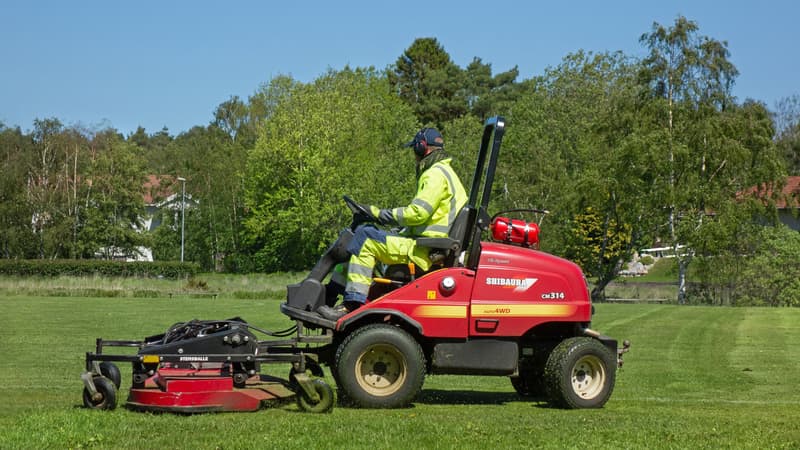
What grounds maintenance covers
- Regular grass cutting with ride-on or tractor mowers.
- Paddock topping and rolling.
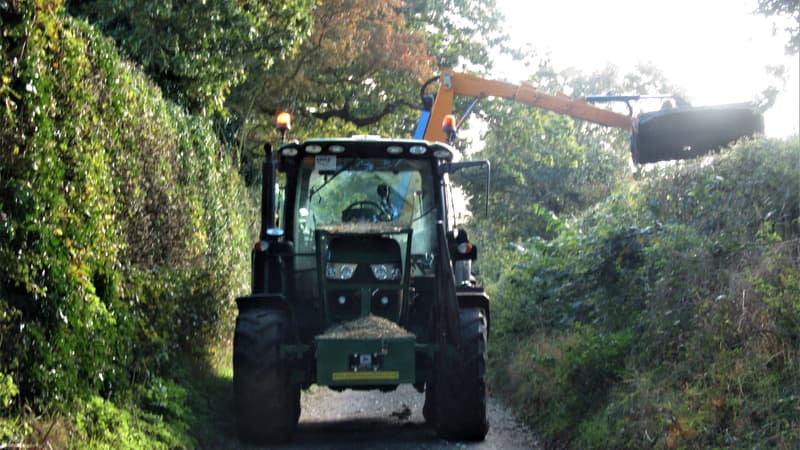
- Hedge trimming outside the nesting season.
- Clearing overgrown ground and ditches.
- Weed and invasive plant control.
Japanese knotweed and other invasive plants
You must not plant invasive non-native plants in the wild or cause them to grow there, which can include moving contaminated soil or cuttings. If you find them on your land, you must stop them spreading. Contaminated soil and plant material may be classed as controlled waste, so disposal has rules too (GOV.UK; GOV.UK knotweed guidance). Use a contractor who knows these rules.
Ragwort
Defra publishes a code of practice on how to prevent the spread of ragwort, which is poisonous to horses and other livestock (Defra code of practice). If you keep horses, ask your grounds contractor how they'll manage it.
Hedges and nesting birds
Don't do hedge work that might harm nesting birds; the main nesting season runs from 1 March to 31 August (GOV.UK).
Frequently asked questions
Is it illegal to have Japanese knotweed on my land?
It isn't an offence to have it, but you must stop it spreading into the wild, and you must follow the rules for disposing of contaminated soil and plant material.
When should hedges be cut?
Outside the main nesting season of 1 March to 31 August. It's an offence to harm nesting birds or destroy their nests.
Can grounds contractors deal with ragwort?
Yes. Many offer pulling or spraying. Defra's code of practice explains how to prevent ragwort spreading.