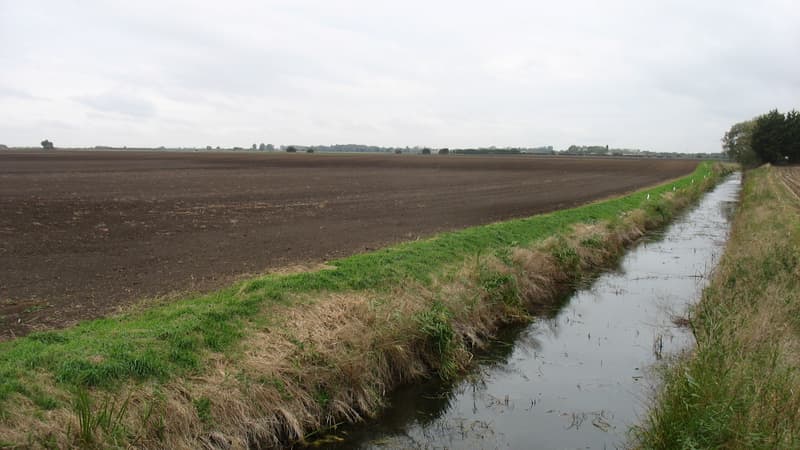
Rural homes often deal with drainage that town houses never see: long private drain runs, soakaways for roof water, land drains under paddocks, and ditches or streams along the boundary. When any of them fail, water ends up where it shouldn't, in the garden, the track or the house.
Common rural drainage jobs
- Clearing blocked foul and surface water drains, and CCTV surveys to find collapses or root ingress.
- Building or replacing soakaways for roof and yard water.
- Installing land drains (French drains or field drains) for waterlogged gardens and paddocks.
- Clearing ditches, culverts and trash screens.
Do you own the ditch or stream?
In England, the Environment Agency says you normally own a stretch of watercourse if it runs on or under your land, or up to its centre if it runs along your boundary, unless your deeds say otherwise. A watercourse includes ditches and culverts, even ones that are dry for long periods (GOV.UK: Owning a watercourse).
As an owner you must let water flow naturally. You may have to remove blockages, fallen trees or overhanging branches if they reduce the flow or cause flooding to other people's property, and you could have to pay damages if they do. The same guidance warns never to go inside a culvert, because you could get trapped or poisoned by gases (Environment Agency). Work in or near a watercourse can need permission, so check before you start.
Driveways and hard standing
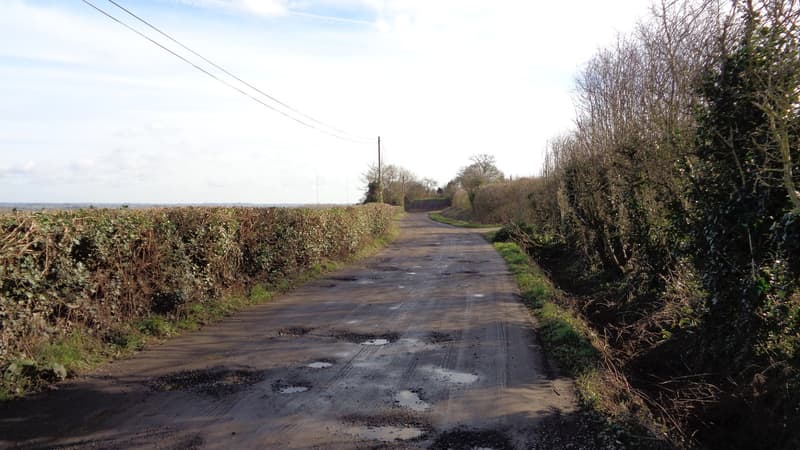
In England, paving more than 5 square metres of a front garden is only permitted development if the surface is permeable or drains to a permeable area. Otherwise you need planning permission (GOV.UK permeable surfacing guidance). A good drainage contractor can design a soakaway or permeable surface that keeps water on your land.
Septic tank drainage fields
If the problem is a soggy patch over a septic tank's drainage field, see our septic tank page. A failing drainage field usually needs a specialist rather than a general drainage firm.
Frequently asked questions
Who is responsible for a ditch between two properties?
In England, if a watercourse runs along a boundary you normally own it up to its centre, so both neighbours share responsibility unless the deeds say otherwise. Check your deeds and the Environment Agency's guidance on owning a watercourse.
Do I need permission to clear a ditch?
Routine clearance to keep water flowing is part of an owner's responsibilities, but some work in or near a watercourse needs permission from the Environment Agency, the lead local flood authority or the internal drainage board. Check before you dredge, culvert or change the channel.
What causes a soakaway to fail?
Common causes are silt and debris building up, ground that doesn't drain well, or a soakaway that was too small. A contractor can test it and suggest a repair or replacement.