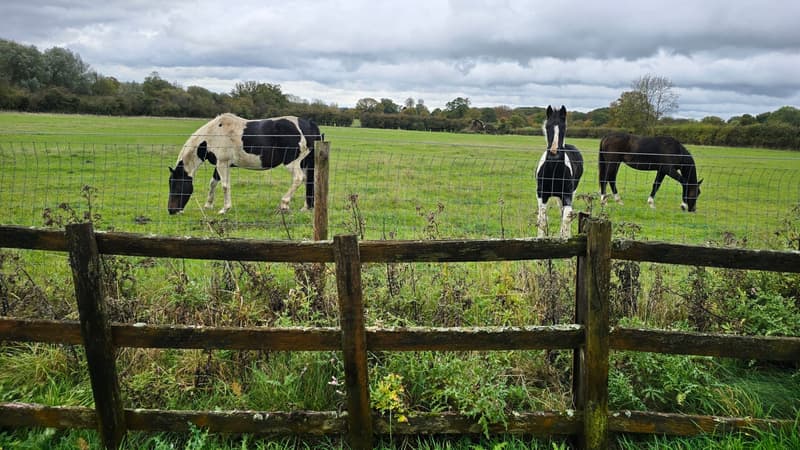
Common rural fencing jobs
- Stock fencing (post and wire) for sheep, cattle and horses.
- Post and rail for paddocks and gardens.
- Rabbit and deer fencing to protect gardens, orchards and young trees.
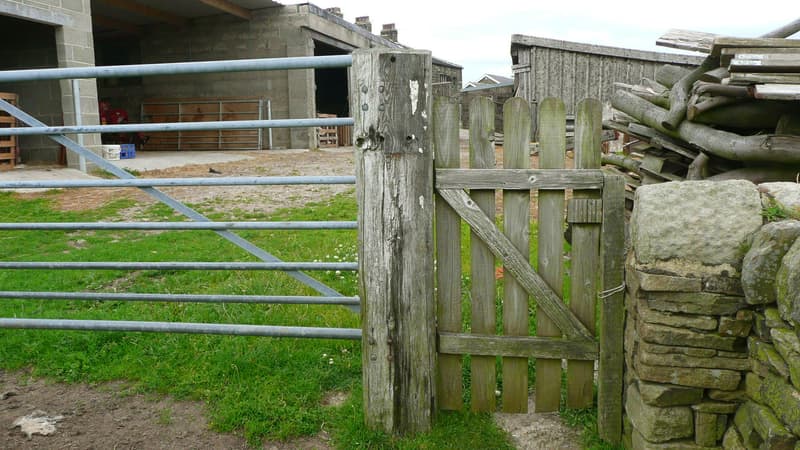
- Field gates and entrance gates, including automated gates for long driveways.
Height limits in England
Under Part 2, Class A of the General Permitted Development Order, a gate, fence or wall next to a highway used by vehicles is permitted development up to 1 metre high. Elsewhere the limit is 2 metres. Above those heights you'd normally need planning permission (GPDO Part 2). Listed buildings and their grounds have extra restrictions, and Scotland, Wales and Northern Ireland have their own rules.
Hedges instead of fences
Countryside hedgerows are protected. There are rules to follow before removing one, and you could get an unlimited fine if you break them. You also must not do any work that might harm nesting birds; the main nesting season runs from 1 March to 31 August (GOV.UK). Plan fencing work that involves cutting back hedges outside that period.
Getting a good quote
Ask for the post spacing, post size and treatment, the wire or rail specification and how the gate posts will be set. Uneven or rocky ground can change the price a lot, so a site visit is worth it.
Frequently asked questions
How high can a fence be without planning permission?
In England, up to 1 metre next to a highway used by vehicles and 2 metres elsewhere, under Part 2 Class A of the GPDO. Listed buildings and other nations have their own rules.
Can I remove a hedge to put up a fence?
Countryside hedgerows are protected and there are rules to follow before removing one, with unlimited fines for breaking them. Check the GOV.UK hedgerow guidance and your council first.
When is the best time for fencing work near hedges?
Avoid the main bird nesting season from 1 March to 31 August, because it's an offence to harm nesting birds or destroy their nests.