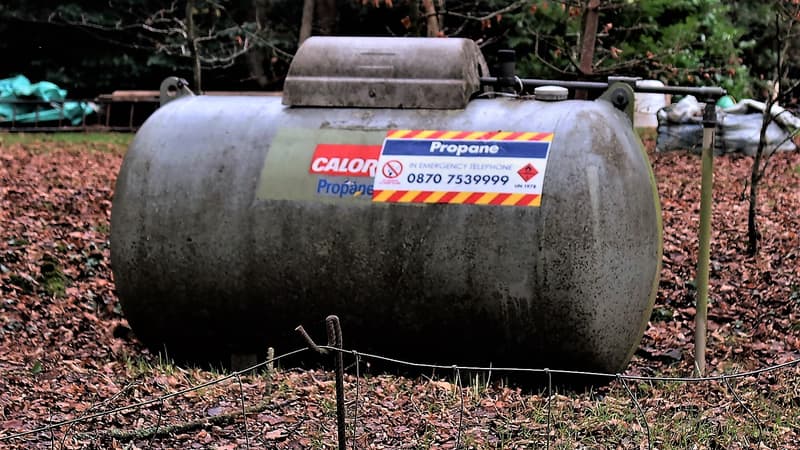
LPG is stored on site, either in a bulk tank filled by tanker or in cylinders. In some places it's a big part of the heating mix: on Anglesey, 8.7% of households used tank or bottled gas only for central heating in 2021, and 6.4% in Gwynedd (ONS Census 2021).
Gas work must be done by a registered engineer
In Great Britain, the Gas Safety (Installation and Use) Regulations 1998 say no employer or self-employed person may carry out work on gas fittings unless they're a member of a class of persons approved by the Health and Safety Executive (regulation 3). In practice that means a Gas Safe registered engineer who is qualified for LPG. The regulations make an exception only for jobs like replacing a hose or regulator on a portable heater or a cylinder hose (GSIUR reg 3(4)). Northern Ireland has the same rule in the Gas Safety (Installation and Use) Regulations (Northern Ireland) 2004 (GSIUR (NI) reg 3). See also HSE's LPG pages.
Carbon monoxide
The NHS lists gas boilers, gas cookers and gas or paraffin heaters among the appliances that can produce carbon monoxide if they're not installed properly, are faulty or are poorly maintained. It advises a CO alarm in each room with an appliance that burns gas, oil, coal or wood (NHS).
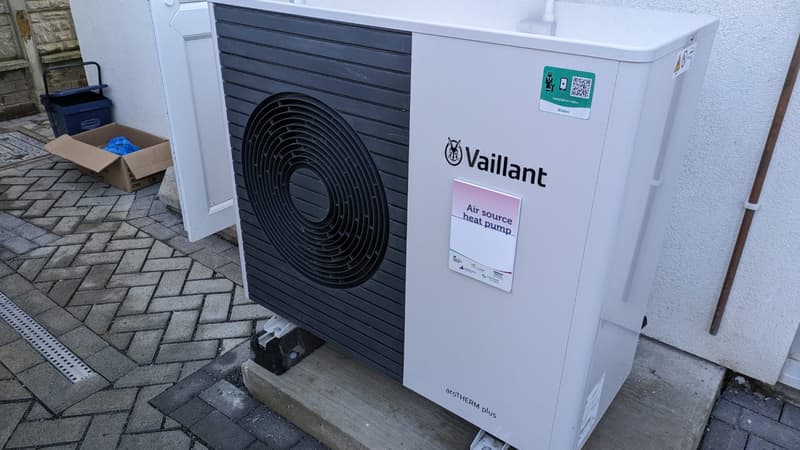
Switching from LPG
In England and Wales, the Boiler Upgrade Scheme pays £7,500 towards an air or ground source heat pump, plus an extra £1,500 until March 2027 for homes heated by oil or LPG with no mains gas connection (GOV.UK). In Scotland, Home Energy Scotland offers heat pump grants of up to £7,500 with a £1,500 uplift for rural and island homes (Home Energy Scotland).
Frequently asked questions
Who can service an LPG boiler?
A Gas Safe registered engineer qualified for LPG work. The law requires anyone working on gas fittings to be a member of the class of persons approved by the HSE, which is the Gas Safe Register.
Can I change LPG supplier?
Usually, but tank contracts vary. Read your supply agreement for notice periods and who owns the tank before you switch.
Is there a grant to replace LPG heating?
In England and Wales, the Boiler Upgrade Scheme gives £7,500 towards a heat pump, and until March 2027 an extra £1,500 if your home is heated by oil or LPG and has no mains gas connection.