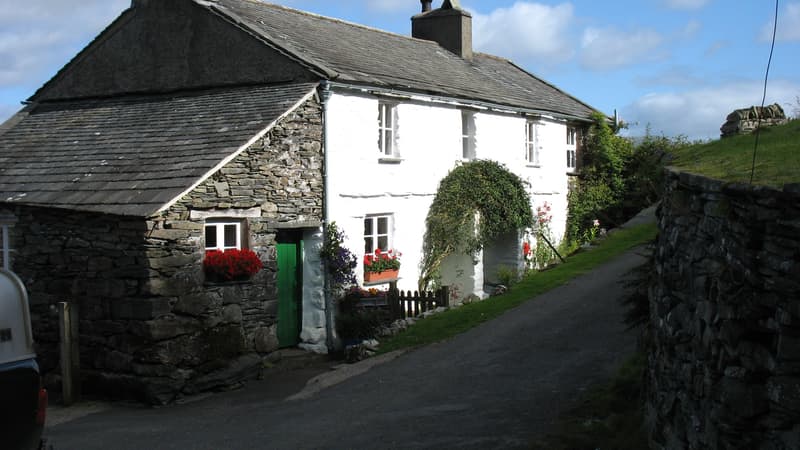
Old stone cottages, farmhouses and steadings were built to cope with the weather, but many suffer from damp after decades of blocked gutters, cement repairs and modern alterations. The good news is that damp in an old building usually has a cause you can find and fix. This guide, based mainly on Historic Environment Scotland's advice for owners of traditional buildings, explains the common causes, the warning signs, and the questions to ask before you pay for a "damp treatment".
If you need a surveyor, a roofer, a lime specialist or a drainage contractor, use the form on this page. We look for up to 3 local suppliers who cover your area.
Old buildings shouldn't be damp
Historic Environment Scotland (HES) says older buildings should not be damp, and aren't inherently prone to be, but like any building they can become damp if they're not properly maintained. It also notes that climate change, with more rain and more frequent severe weather, is putting buildings under pressure Historic Environment Scotland.
HES explains that traditional solid-wall buildings manage moisture differently from modern ones. As well as roofs, gutters and drainage that keep water out, they rely on permeable materials such as stone, lime and timber, which is sometimes described as the need for old buildings to "breathe". This ability can be lost during repairs or alterations if the wrong materials are used, which can cause damp HES.
Signs of damp
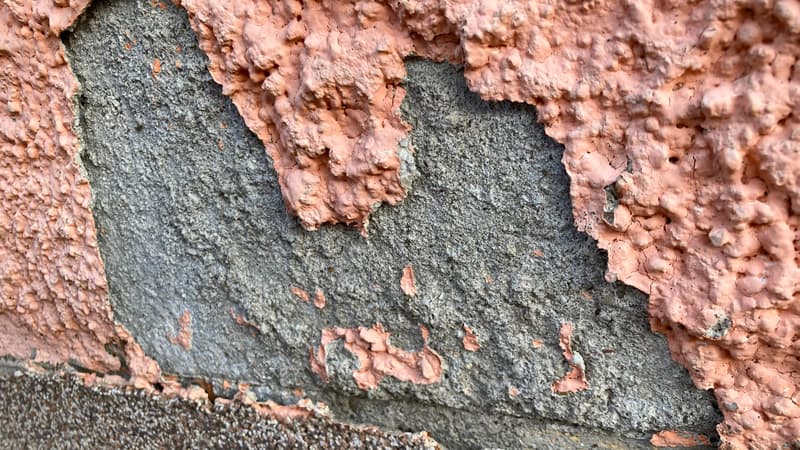
HES lists symptoms including blistering paint, salts on masonry, tidemarks, discoloured paintwork, peeling wallpaper, mould and rot, wood-boring insects and more condensation on cold surfaces. A building may also smell musty or feel humid HES.
When inspecting, HES advises looking at the whole building, especially the outside. Damp meters and thermal imaging can help confirm what you see, but in most cases the signs will be clear to an experienced professional who knows traditional buildings HES.
Find the cause, not just the symptom
HES says damp can be caused by leaks in the roof, defects in walls and masonry, moisture from the ground and inadequate ventilation, and is often a combination. Its example: a damp wall may be saturated by a broken rhone (gutter) above, with rising damp from a blocked drain at ground level, made worse by poor ventilation HES.
It warns that expensive solutions such as tanking, waterproofing, rot treatment or injected damp-proof courses are often recommended by "damp specialists" without addressing the cause of the water getting in, and that in many cases these are unnecessary and may even be damaging HES. Before paying for any treatment, ask the contractor what is causing the damp and how their work fixes that cause.
Common causes, from the roof down
Gutters and downpipes
HES says overflowing water from a blocked downpipe can quickly saturate masonry and damage interior finishes, and green algae and staining show a persistent problem. Lead-lined gutters behind parapets are vulnerable to blockages, and defective parapet gutters are especially damaging because the leak goes straight into the wallhead HES. Clearing gutters every autumn is one of the cheapest ways to prevent damp.
Roofs, slates and flashings
A dislodged slate or failed flashing can let moisture build up in walls, timber and plaster. HES warns that because these leaks are often slow or occasional, they can go unnoticed while timber decay spreads from the sarking boards into the structural timbers HES. See our roofing page.
Chimneys, gables and high masonry
Pointing on chimneys, gables, skews and parapets needs regular inspection, as these exposed parts are particularly vulnerable. HES says a chimney in poor condition will let water in, and that blaming damp on "porous stone" should be treated with caution, because defective pointing or detailing is the more common culprit HES.
Render
Cement render isn't always the villain: HES says that where the wall is dry and the render sound, it may not cause a problem. But if cement render is cracked or defective, water gets in and the wall can quickly become saturated, because the cement greatly reduces its ability to dry out. Moss growing in cracks is a sign of saturated masonry HES. An external lime finish is preferable, though HES accepts replacement isn't always practical.
Ground levels and drains
Raised ground levels and changes in the water table can draw water up a wall by capillary action, so-called rising damp. HES says external ground levels tend to rise over time and sometimes earth needs to be scraped away, and that a French drain, a shallow trench filled with coarse gravel, may help. A cracked or broken underground drain can saturate the ground under a house, and standing water next to a building often means a blocked drain, which should be cleared by rodding or jetting HES. HES advises against plastic sheeting next to walls, as it can route water into the footings HES. See our drainage page.
Leaks inside the house
Not all damp comes from outside. HES points out that leaking water pipes, heating systems and waste pipes can cause damp, and that even a very small drip, such as an overflowing toilet cistern, can saturate a wall over time HES.
Floors, chimneys and ventilation
Suspended timber floors need air moving underneath to disperse moisture from the ground, usually through vents at the base of the walls, which should be kept open and clear. HES says these floors shouldn't generally be replaced with concrete slabs, which can raise moisture levels and push more moisture up the walls, and that a plastic damp-proof membrane under a floor is inappropriate for older structures HES.
Redundant chimneys need some air movement too. Soot in a flue attracts moisture, and a sealed chimney can become damp and stain the plaster. HES recommends vented cowls rather than capping chimney heads, and a vented opening where a hearth is closed off HES. Our chimney guide covers this too.
Insulation and condensation
Insulating a loft is worthwhile, but HES warns that the colder roof space above can lead to condensation, especially in winter, showing as drips on nail heads and stained sarking, and eventually mould. Attics must be kept ventilated through eaves and ridge vents, sometimes with a breather membrane under the slates, and HES suggests vapour-permeable insulation such as sheep's wool or hemp between joists HES.
If you're planning wall insulation or a heat pump, make sure your designer understands solid walls. Our off-grid heating guide covers heat pump grants.
Repairs and redecorating
Once the leak is fixed, HES says lime plaster and timber panelling don't necessarily need to be removed, though some repairs may be needed. Decayed timber should be cut back to sound wood and repaired like for like, and moisture levels monitored while it dries. It advises avoiding foil-backed plasterboard, plastic-based paints and vinyl wallpapers, and recommends limewash, distemper or clay-based paints on lime plaster walls. Removing vinyl wallpaper and paint can help a wall dry out HES.
A seasonal checklist for owners
HES concludes that with correct maintenance, repair and adequate ventilation, traditional buildings can be kept dry and healthy HES. A simple routine helps:
- Autumn: clear gutters, downpipes and gullies after leaf fall; check that underfloor vents are open
- After storms: look for slipped slates, damaged flashings and water running down walls
- Winter: watch for new stains on ceilings and chimney breasts, and condensation in the loft
- Spring: check pointing on chimneys, gables and exposed walls; look for moss in cracked render
- Every few years: check that ground levels and paths haven't crept up the walls, and have drains surveyed if water pools near the house
Keep photos of problem areas so you can see whether things are getting better or worse, and share them with any contractor you ask to quote.
Who to call
- A surveyor with experience of traditional buildings, for an independent diagnosis before any work
- A roofer, for slates, flashings, gutters and chimney stacks
- A drainage contractor, to survey, rod or jet underground drains
- A lime specialist or stonemason, for pointing, render and limewash
Use the form on this page and tell us what you've noticed. Read more on our damp and old stone buildings page.
Frequently asked questions
Do old stone houses need a damp-proof course?
Historic Environment Scotland warns that injected damp-proof courses and similar treatments are often recommended without addressing the cause of the water, and in many cases are unnecessary or even damaging HES.
Does cement render cause damp?
Not always. HES says sound render on a dry wall may not be a problem, but cracked or defective cement render lets water in and stops the wall drying out HES.
What is rising damp in an old house?
HES describes it as water drawn up a wall by capillary action, often because ground levels have risen, the water table has changed or a drain is blocked HES.
Should I cap an unused chimney?
HES advises against capping chimney heads, recommending vented cowls to keep air moving HES.
What paint should I use on old lime plaster?
HES recommends limewash, distemper or clay-based paints, and says plastic-based paints and vinyl wallpapers should be avoided HES.