When snow falls, the public road at the end of your drive may get a gritter. The half-mile track to your house almost certainly won't. Rural homes often depend on private lanes, steep drives and shared tracks that councils have no duty to treat, and a few days of ice can cut off deliveries, oil tankers, carers and the school run. This guide explains who's responsible for what, how to clear snow and ice safely, and how to plan ahead, including when it's worth booking a gritting contractor.
If you'd like a quote for winter gritting or snow clearing, see our gritting and snow clearing page or use the form on this page. We look for up to 3 local suppliers who cover your area.
Who grits what?
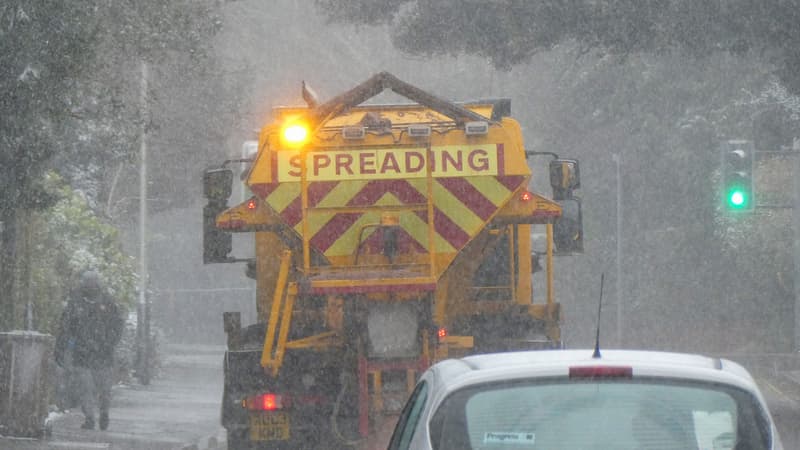
Public roads
In England and Wales, a highway authority must ensure, so far as is reasonably practicable, that safe passage along a highway maintainable at public expense isn't endangered by snow or ice Highways Act 1980, s41(1A). In Scotland, a roads authority must take such steps as it considers reasonable to prevent snow and ice endangering the safe passage of pedestrians and vehicles over public roads Roads (Scotland) Act 1984, s34.
Neither duty means every road gets gritted. Councils prioritise routes, and GOV.UK points you to your council to find out which roads and pavements it grits GOV.UK. Many rural lanes aren't on the main routes.
In Northern Ireland, the Department for Infrastructure (DfI) grits public roads. It focuses salting on main roads carrying more than 1,500 vehicles a day, provides salt bins and grit piles on some lighter roads, and says all other routes are normally not salted. Salting can run from the end of October to mid-April nidirect.
Private tracks and driveways
Those duties apply to public roads, highways maintainable at public expense. A private track, unadopted lane, farmyard or driveway isn't covered, so keeping it passable is down to the owner or the people with rights over it. For shared tracks, check your deeds or any maintenance agreement for who pays for upkeep, and agree a winter plan with your neighbours before the first freeze. Our farm tracks guide covers rights of way and track maintenance.
Clearing snow and ice: the basics
GOV.UK says you can clear snow and ice from pavements yourself, and it's unlikely you'll be sued or held responsible if someone is injured on a path or pavement you've cleared carefully GOV.UK. Its practical advice applies just as well to drives and tracks GOV.UK:
- Start early in the day. Fresh, loose snow is easier to move.
- Don't use water. It may refreeze into black ice.
- Use salt if possible. It melts ice and snow and stops it refreezing overnight.
- Don't take salt from council grit bins. It's for keeping roads clear.
- Use ash or sand if you don't have enough salt, to give grip underfoot.
- Take extra care on steps and steep paths, where more salt may help.
Salt, grit and sand: what to use
GOV.UK recommends salt where possible, because it melts ice and snow and stops it refreezing overnight, and ash or sand where you don't have enough salt, because they give grip underfoot GOV.UK. On steep rural drives, many owners keep both: salt to treat the surface and grit or sand for traction on the steepest sections. A few practical points:
- Store salt dry, in sealed bags or a lidded bin near the top of any steep section, so it's there when you need it.
- Spread evenly rather than in heaps, and follow the guidance on the bag.
- Keep salt away from ditches and streams where you can, and avoid piling salty snow over drains.
- Brush ash and grit off once the thaw comes, before it blocks gullies and drains.
Planning for a rural winter
The Highway Code says to check the local forecast for icy or snowy weather warnings and not to drive in those conditions unless your journey is essential Highway Code, rule 228. For rural households, essential journeys can't always wait, so planning is everything:
- Know your weak spots: steep sections, shaded bends, bridges and dips that hold ice longest.
- Treat before the freeze. Salt the worst sections when frost or snow is forecast, rather than after the track is already glazed.
- Keep a vehicle kit. The Highway Code suggests de-icer and an ice scraper, a torch, warm clothing and boots, a first aid kit, jump leads, a shovel, a warm drink and emergency food Highway Code, rule 228.
- Clear your car properly. You must clear snow and ice from all windows, and lights and number plates must be clean and readable. Remove any snow that could fall into other road users' path Highway Code, rule 229.
- Order oil or LPG early. Delivery tankers need a passable route, so top up before forecast cold spells.
- Clear the path to the tank. Delivery drivers need a safe route on foot from the tanker to the oil or LPG fill point, so clear and salt it as well as the drive.
- Mark hidden hazards. Put marker poles by drain covers, cattle grids, ditch edges and septic tank lids before snow hides them, especially if a contractor will be ploughing.
- Prepare for power cuts. Storms often bring outages. See our off-grid power and generators page and backup power guide.
Shared tracks: agree a plan before winter
Where several homes share a private track, winter is when disagreements surface. Who pays for salt? Who clears the steep bit? Can a neighbour's contractor plough past your gate? Settle it in autumn:
- Check your deeds and any shared maintenance agreement for how costs are split.
- Agree who holds the salt store and who calls the contractor.
- Keep a simple log of when the track was treated or cleared.
- Make sure ploughed snow isn't pushed into gateways, ditches or passing places.
- Share phone numbers, so anyone who's stuck or has a medical need can ask for help.
Looking out for vulnerable people
Snow and ice often arrive with storms and power cuts. If someone in your home is elderly, disabled, has a long-term health condition or relies on medical equipment, ask your electricity supplier or network operator to add you to the Priority Services Register. In Great Britain, help can include priority support in an emergency where possible and advance notice of planned power cuts Ofgem. Check on isolated neighbours during long cold spells, and make sure they have heating fuel, food and medicine before the roads close.
Driving on icy rural roads
Stopping distances can be ten times greater than on dry roads in icy or snowy weather Highway Code, rule 230. The Highway Code advises driving at a slow speed in as high a gear as possible, accelerating and braking very gently, and taking particular care on bends by braking on the straight beforehand. If the steering feels unresponsive, you may be on ice, and on ice tyres make virtually no noise Highway Code, rule 231. Watch out for snowploughs, which may throw snow out to both sides, and don't overtake them unless your lane has been cleared Highway Code, rule 230.
When to hire a gritting or snow clearing contractor
For a short, flat drive, a shovel and a few bags of salt are usually enough. A contractor makes more sense where:
- the track is long, steep or shared by several households
- you run a business from home, such as a holiday let, B&B or livery, where guests and staff need safe access
- someone in the household relies on carers, medical visits or deliveries
- you're away in winter and need the property accessible
Rural gritting contractors are often local farmers or groundworkers with a tractor, a spreader and a blade. Typical arrangements are a seasonal contract with treatment triggered by the forecast, or call-out clearing after snowfall. When you get quotes, ask:
- what triggers a visit: a forecast road surface temperature, a set time, or a phone call
- whether salt is included or charged by the tonne or bag
- how they record visits. Logs are useful if a business or shared track is involved.
- whether they have public liability insurance and suitable equipment for your track width and gradient
- how they'll avoid damaging verges, cattle grids, drains and the track surface
Looking after the track after winter
Freeze-thaw cycles, ploughing and salt take a toll on track surfaces. Once the weather improves, check for potholes, scoured edges, blocked drains and displaced stone, and repair them before the next winter. Our driveways and tracks page and farm tracks guide cover repairs and resurfacing.
Frequently asked questions
Will the council grit my private track?
Council duties cover public roads Highways Act, s41 Roads (Scotland) Act, s34, not private tracks. Check with your council which public roads it treats GOV.UK.
Can I be sued for clearing snow badly?
GOV.UK says it's unlikely you'll be sued or held responsible if someone is injured on a path you've cleared carefully GOV.UK.
Can I use salt from the council grit bin on my drive?
No. GOV.UK says that salt is for keeping roads clear GOV.UK.
Should I pour hot water on ice?
No. It may refreeze and form black ice GOV.UK.
How much longer does it take to stop on ice?
Stopping distances can be ten times greater than on dry roads in icy or snowy weather Highway Code, rule 230.