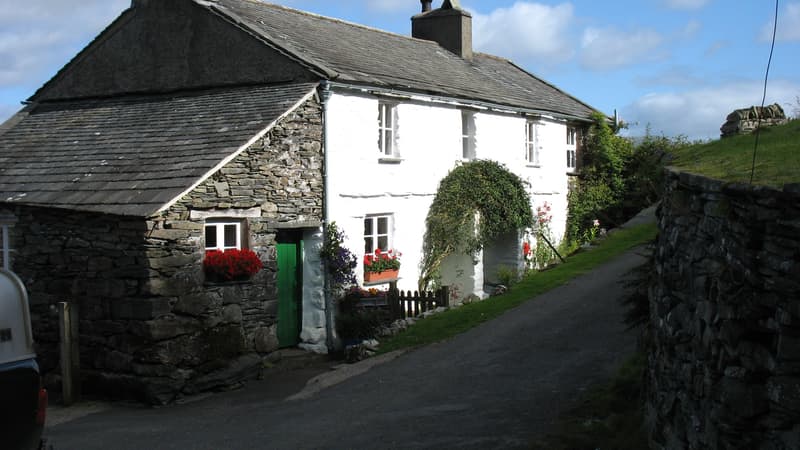
Find the cause first
Historic Environment Scotland's guidance for owners of older buildings says damp usually has a cause that can be found and fixed, such as leaking roofs, defective rainwater goods, defects in walls and masonry, moisture from the ground and inadequate ventilation. It warns that expensive solutions like tanking, waterproofing, rot treatment or injected damp-proof courses are often recommended by "damp specialists" without addressing the cause of the water getting in (HES: Damp – causes and solutions).
Cement and old walls
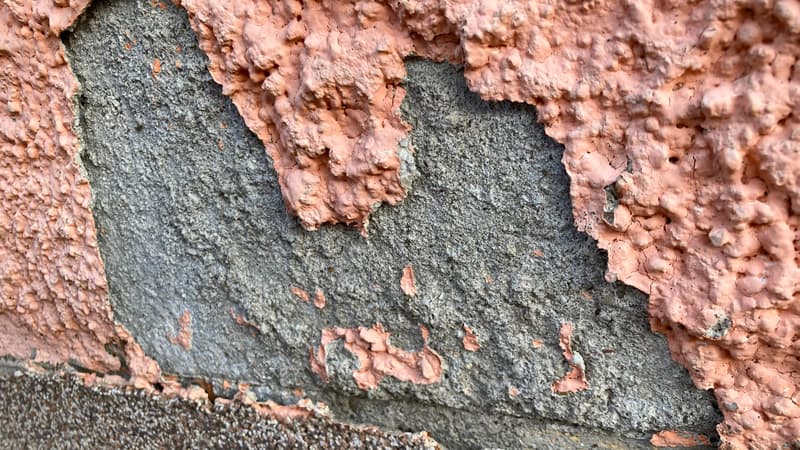
According to HES, where cement render is cracked or defective, water can get into the wall, and the wall can quickly become saturated because the cement reduces its ability to dry out (HES). That's why many conservation specialists repair old walls with lime.
"Rising damp"
HES explains that raised ground levels and changes in the water table can draw water up a wall by capillary action, so-called rising damp, and gives the example of rising damp from a blocked drain at ground level. It also says a plastic damp-proof membrane below a floor is inappropriate for older structures (HES).
Who to call
- A surveyor with experience of traditional buildings, for an independent diagnosis.
- Roofers and drainage contractors, to fix the water source.
- Lime specialists, for pointing, render and limewash.
Insulation and heat pumps
If you're planning insulation or a heat pump, make sure the designer understands solid walls. The wrong materials can trap moisture.
Frequently asked questions
Does my old stone house need a damp-proof course?
Not necessarily. Historic Environment Scotland warns that injected damp-proof courses and tanking are often recommended without fixing the real cause, such as gutters, drains or pointing.
Why is cement bad for old stone walls?
HES says that if cement render is cracked or defective, water can get in and the wall can quickly become saturated because its ability to dry out is significantly reduced.
Who should I ask about damp in an old house?
Start with an independent surveyor who understands traditional buildings, rather than a firm that sells damp treatments.