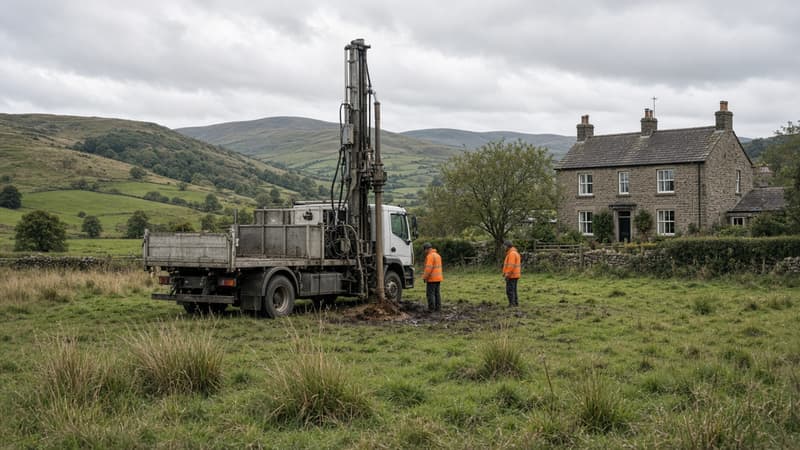
A private water supply is any supply not provided by a water company. That includes boreholes, wells, springs, streams and lochs, and it can serve one house or many.
How many homes rely on a private supply?
- England: the Drinking Water Inspectorate recorded 34,859 private supplies in 2024, serving a population of 849,800 (DWI 2024 report).
- Scotland: about 3% of the population get their drinking water from private supplies, mostly in remote and rural areas, from sources like lochs, streams and boreholes (Scottish Government).
Who checks your water?
In England, councils arrange risk assessments and monitoring of private supplies. They don't have to risk-assess or monitor a supply to a single dwelling that isn't let, but they must do so if the owner or occupier asks (DWI). In Scotland, larger and commercial supplies are "regulated" and smaller domestic-only supplies are "exempt" (DWQR). In Northern Ireland, a supply to a single private dwelling isn't monitored by the Drinking Water Inspectorate, but you can ask your council's environmental health team to test it (DAERA).
What suppliers do
- Borehole drilling, pump installation and pump replacement.
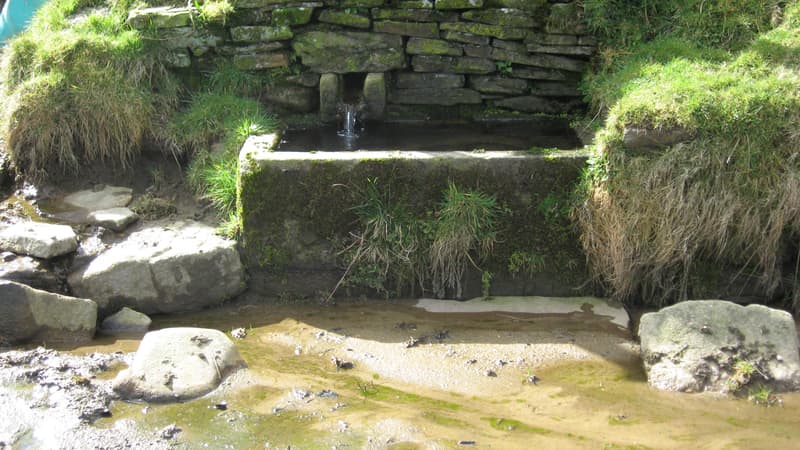
- Spring and well work: collection chambers, covers, header tanks and pipework.
- Storage and pressure: tanks, booster pumps and pressure vessels.
- Testing and treatment: see our water treatment page.
Grants
In Scotland, you can apply for a grant of up to £800 per property to improve a private supply, for example installing treatment, replacing lead pipes or putting in new tanks. It can't be used for ongoing maintenance or to connect to the mains, and the supply must be the main or only source of drinking water (mygov.scot).
Frequently asked questions
Do I have to get my private water supply tested?
It depends on the nation and the type of supply. In England, councils don't have to monitor a supply to a single home that isn't let, but they must if you ask. Larger or commercial supplies, and supplies to rented homes, are regulated more closely.
Is there a grant for a new borehole?
In Scotland, the private water supply grant (up to £800 per property) can be used for improvements to an existing supply that's the main source of drinking water. Check the mygov.scot rules for what counts. We're not aware of a UK-wide grant for new boreholes.
How do I know if my water is safe?
Only a laboratory test can tell you. Contact your council's environmental health team, who can arrange sampling, and ask a water treatment specialist to look at the results.