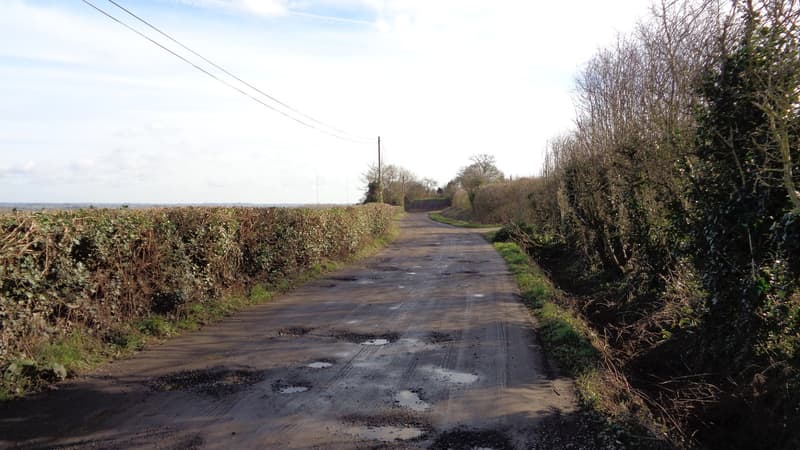
Why rural tracks fail
Most potholes on private tracks start with water. When rain can't drain off the surface, it softens the base, traffic breaks it up and frost makes it worse. That's why a good contractor will look at drainage, cross-falls and ditches, not just fill holes.
Common surfaces
- Graded stone (type 1 or road planings) for long farm tracks.
- Gravel over a stable sub-base for driveways.
- Tarmac or concrete for steep or heavily used sections.
- Grass reinforcement grids for occasional parking.
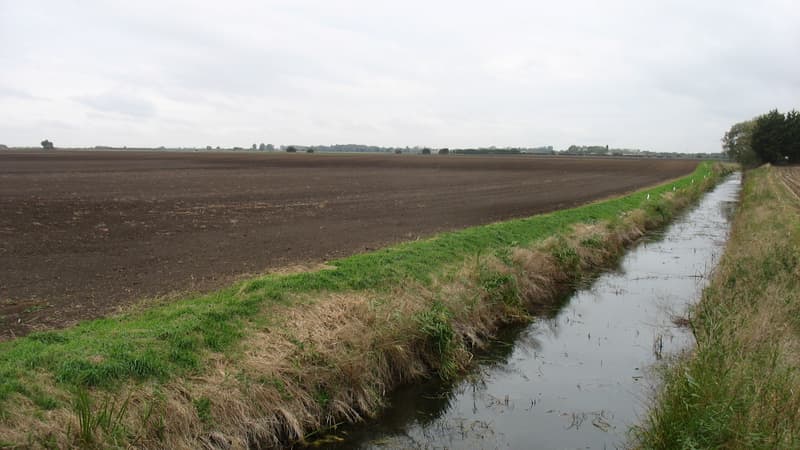
Planning and drainage rules
In England, a new or replacement hard surface of more than 5 square metres in a front garden is only permitted development if it's permeable or drains to a permeable area within the property (GOV.UK). If your track crosses a ditch or stream, culverting or bridging it can need consent, and as an owner you must let water flow naturally (Environment Agency).
Winter
Councils have a duty to keep public roads safe in snow and ice as far as reasonably practicable, but that doesn't extend to private tracks. See our gritting and snow clearing page.
Frequently asked questions
Do I need planning permission for a new driveway?
In England, a front-garden surface over 5 square metres is permitted development only if it's permeable or drains to a permeable area. A new access onto a classified road may need permission. Check with your council.
What's the cheapest way to fix a potholed track?
Filling holes without fixing drainage rarely lasts. Grading the surface, adding a camber or cross-fall and clearing ditches usually gives a longer life.
Who maintains a shared private track?
It depends on your deeds and any access agreements. Check your title documents before arranging work.