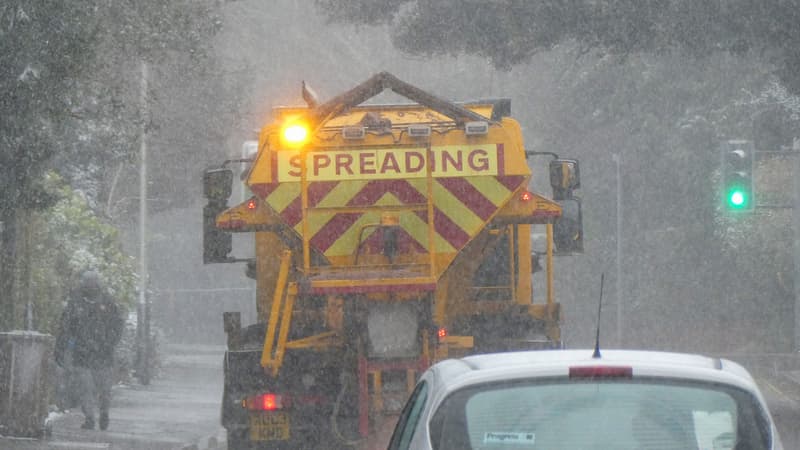
What councils must do
In England and Wales, highway authorities have a duty to ensure, as far as reasonably practicable, that safe passage along a highway isn't endangered by snow or ice (Highways Act 1980, s41(1A)). In Scotland, roads authorities must take the steps they consider reasonable to prevent snow and ice endangering pedestrians and vehicles on public roads (Roads (Scotland) Act 1984, s34). Neither duty covers private driveways or tracks.
Clearing it yourself
GOV.UK says you can clear snow and ice from pavements yourself, and that it's unlikely you'll be sued or held responsible if someone is injured, as long as you've cleared it carefully (GOV.UK).

What contractors offer
- Pre-salting before forecast frost or snow.
- Snow ploughing with tractors or plough-fitted vehicles.
- Salt bin supply and refilling.
- Seasonal contracts with set trigger temperatures, often used by farms, holiday lets and rural businesses.
Questions to ask
- What triggers a visit: a forecast, a road temperature or a call from you?
- Is the service priced per visit or per season?
- What happens if heavy snow means they can't reach you?
- Are they insured for work on private land?
Frequently asked questions
Will the council grit my private road?
Usually not. The councils' legal duties cover public highways and roads. Private driveways and tracks are the owner's responsibility.
Can I be sued if I clear snow and someone slips?
GOV.UK says it's unlikely you'll be sued or held responsible as long as you've cleared it carefully.
How do seasonal gritting contracts work?
Most contractors agree a trigger, such as a forecast road temperature, and a price per visit or per season. Get the terms in writing.