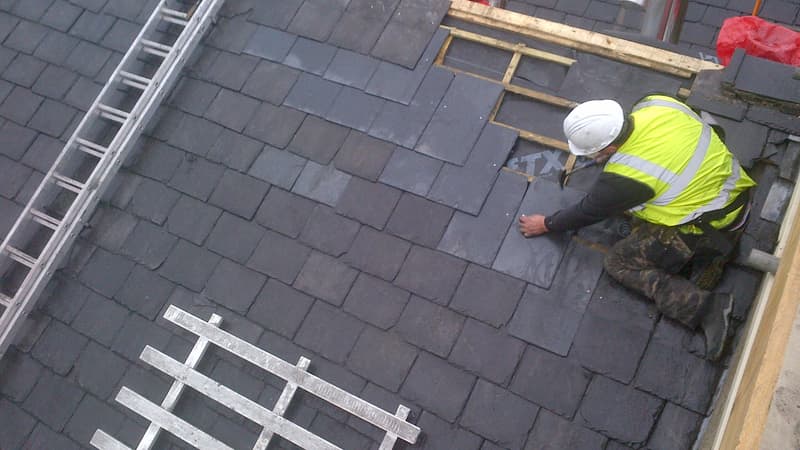
Why roofs and gutters matter for damp
Historic Environment Scotland says older buildings shouldn't be damp, nor are they inherently prone to it, but they can become damp if not properly maintained. It gives the example of a damp wall caused by a broken gutter (rhone) above, and warns that defective parapet gutters are especially damaging because the leak goes directly into the wallhead (Historic Environment Scotland).
Common rural roofing jobs
- Replacing slipped or broken slates and tiles.
- Lead flashings, valleys and chimney repairs.
- Cleaning and replacing gutters and downpipes.
- Thatch repairs and re-ridging by specialist thatchers.
- Re-roofing outbuildings and steadings.
Bats
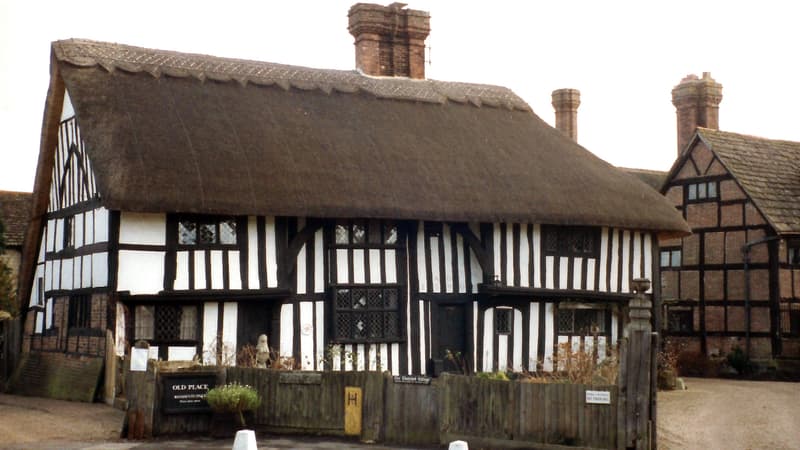
In England, Natural England lists repairing or replacing a roof, and insulating or converting a loft, among activities that can affect bats. If you're found guilty of an offence you could be sent to prison for up to 6 months or get an unlimited fine (Natural England). If bats might be present, get a survey before work starts. In Scotland, Wales and Northern Ireland, ask NatureScot, Natural Resources Wales or DAERA for advice.
Listed and older buildings
If your home is listed or in a conservation area, check with your council before changing roofing materials. Like-for-like repairs with matching slate, tile or thatch are usually the safest route.
Frequently asked questions
Do I need a bat survey before roof repairs?
If there's a chance bats roost in your roof, yes. In England, repairing or replacing a roof is one of the activities Natural England says can affect bats, and harming them or their roosts is an offence. Elsewhere, ask your nation's nature body.
How often should gutters be cleared?
At least once a year, and more often if trees overhang the roof. Blocked gutters are a common cause of damp walls in older buildings.
Can I replace natural slate with concrete tiles?
On a listed building or in a conservation area you may need consent, and heavier tiles can overload an old roof structure. Ask your council and a roofer.