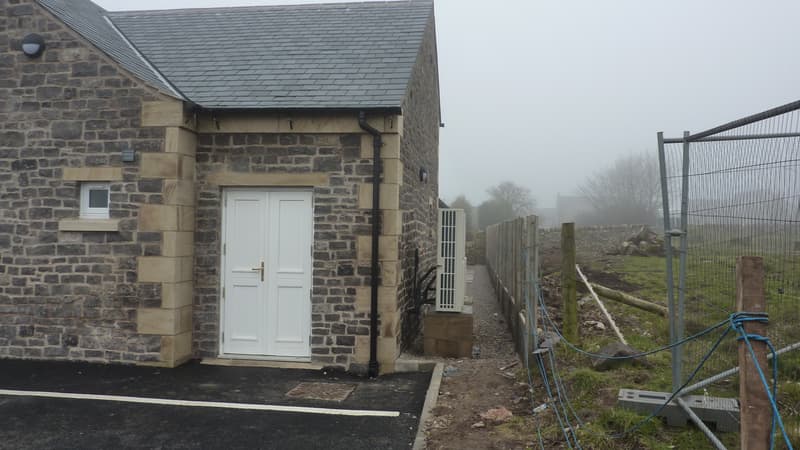
If your home is heated by oil, LPG or electric storage heaters, you're likely to be offered more help to switch to a heat pump than a home on the gas grid. The grants differ in each of the four UK nations, some depend on your income, and most have rules that can cost you the grant if you get the order wrong. This guide sets out what's available, who qualifies and how to apply, using only the official scheme pages.
If you'd like quotes from heat pump installers, use the form on this page. We look for up to 3 local suppliers who cover your area. For grant-funded work, check that each installer holds the certification the scheme needs, which we explain below.
Why rural homes get extra help
Rural homes are much more likely than urban ones to burn heating oil or LPG. In Wales, 7.8% of households used oil only for central heating in 2021, rising to 35.3% in Ceredigion and 27.7% in Powys, against 3.2% across England ONS Census 2021. In Northern Ireland, 480,635 of 768,810 households had oil central heating NISRA. In Scotland about 5% of households use oil, but 35% in very remote rural mainland areas Rural Exchange.
Governments have targeted these homes. In England and Wales, the Boiler Upgrade Scheme pays an extra amount to homes moving off oil or LPG, and in Scotland there's a rural and island uplift. Both are explained below.
England and Wales: the Boiler Upgrade Scheme
The Boiler Upgrade Scheme (BUS) is open in England and Wales GOV.UK. You can get one grant per property. The current grants are GOV.UK: what you can get:
- £7,500 towards an air source (air-to-water) heat pump.
- £7,500 towards a ground source heat pump, including water source heat pumps and those on shared ground loops.
- £5,000 towards a biomass boiler.
- £2,500 towards an air-to-air heat pump.
Until March 2027, you can get an extra £1,500 towards an air or ground source heat pump if your property is heated by oil or LPG and has no mains gas connection. That makes up to £9,000 for many off-grid homes. You can't get a grant for a hybrid system, such as a gas boiler combined with a heat pump, or to replace an existing low carbon heating system GOV.UK.
Who qualifies for BUS
You must own the property, which can include a second home, a business or a property you let to tenants, and you must be replacing a fossil fuel heating system such as oil, gas, LPG or electric heating. You're still eligible if you've already had funding for insulation GOV.UK: eligibility. Most new builds, social housing and properties that have already had government funding for a heat pump or biomass boiler can't get a grant GOV.UK.
Ofgem, which runs the scheme, says the new system must be able to meet the property's full space heating and hot water needs, and a heat pump must be sized for the full space heating load, even if it's installed with a supplementary heater Ofgem: BUS guidance for property owners.
How a BUS application works
- Get quotes from MCS certified installers.
- Your installer confirms you're eligible.
- You agree a quote, and the installer applies to Ofgem on your behalf.
- The grant is taken off the price, and you'll see it on the quote and the invoice.
Ofgem will contact you to confirm the installer is acting for you, and Ofgem or MCS may phone or visit to check the installation GOV.UK: how to apply. Your installer must commission the heat pump within 120 days of applying, or it won't be eligible GOV.UK.
Scotland: Home Energy Scotland Grant and Loan
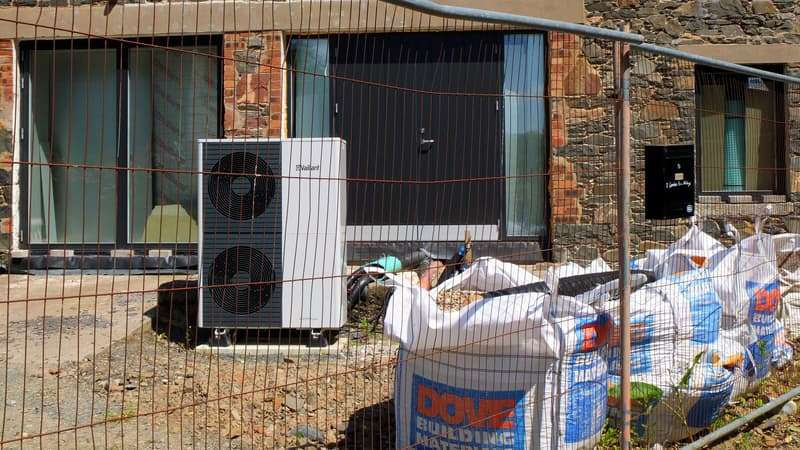
In Scotland, the Home Energy Scotland Grant and Loan offers up to £7,500 in grant for clean heating systems such as heat pumps, with an optional interest-free loan of up to another £7,500. A £1,500 uplift is available for rural and island homes on both the heating and energy efficiency grants, so rural households can claim up to £18,000 in grant funding in total Home Energy Scotland.
The uplift is for households in remote rural and island areas, and in off-gas accessible rural areas, as defined by the Scottish Government's Urban Rural Classification. A Home Energy Scotland adviser will tell you if your property qualifies Home Energy Scotland.
Who qualifies in Scotland
You must own the home and it must be your only or main residence, in an existing property in Scotland. You don't need to be on benefits Home Energy Scotland. The rules on equipment are stricter than BUS in some ways:
- Only heat pumps that provide 100% of the home's heating and hot water are funded.
- Hybrid, air-to-air and exhaust air heat pumps aren't eligible.
- You must use an MCS certified installer and an MCS or Solar Keymark certified product.
All three points come from the scheme's own page Home Energy Scotland. You start by phoning Home Energy Scotland, a free advice service funded by the Scottish Government. You can apply for a heat pump without an EPC, which is only needed for insulation and other efficiency measures Home Energy Scotland. If you take a loan, there are credit checks and an admin fee of 1.5% of the loan, up to £150 per application Home Energy Scotland.
What Scottish homeowners actually pay
Home Energy Scotland publishes typical costs based on the average of invoices from its applicants between 2019 and 2025. It gives about £13,000 for an air-to-water heat pump (about £5,500 after grant) and about £34,000 for ground source (about £26,500 after grant). It says these figures are illustrative only and include homes that needed extensive upgrades, and that the only way to know your cost is a quote based on a proper assessment Home Energy Scotland: heat pumps.
Wales: BUS plus Nest
Homes in Wales can use the Boiler Upgrade Scheme in the same way as homes in England GOV.UK. The Welsh Government's Nest scheme also gives free, impartial energy advice. It can offer free home improvements, including heat pumps, insulation and solar panels, to households who meet its eligibility rules. You can check eligibility online or call Nest free on 0808 808 2244 Welsh Government: Nest.
England: Warm Homes Local Grant
On top of BUS, England has the Warm Homes: Local Grant for households on lower incomes. If you're eligible and your council has funding, it arranges a home survey and pays for agreed improvements, which can include air source heat pumps, insulation, smart controls and solar panels. The home must be privately owned, in England, and have an EPC rating of D to G. Household income must usually be £36,000 a year or less, although some postcodes and benefits qualify above that GOV.UK: Warm Homes Local Grant.
Northern Ireland
The Boiler Upgrade Scheme doesn't cover Northern Ireland GOV.UK. The support there is mainly for lower-income households and for oil users:
- The Department for Communities closed the Boiler Replacement Scheme, which offered up to £1,000 towards replacing boilers over 15 years old. It's no longer accepting applications Department for Communities.
- The Housing Executive's Affordable Warmth Scheme helps owner-occupiers and private tenants with a gross household income under £23,000. It funds insulation first, then heating measures, with grants of up to £7,500, or up to £10,000 for some solid-walled homes NI Housing Executive.
- The Home Heating Oil Support Scheme gives eligible oil-heated households a £100 voucher. Applications are open from 9 September 2026 to 31 March 2027 Department for Communities.
If you're in Northern Ireland and want a heat pump, ask installers and your council's energy advice service what's currently available, because scheme funding changes often.
VAT: 0% until March 2027
Installing a heat pump in a home is zero-rated for VAT from 1 May 2023 to 31 March 2027. It reverts to 5% from 1 April 2027 HMRC VAT Notice 708/6. Since 1 February 2024, the relief has also covered the groundworks needed for ground and water source heat pumps HMRC. If you're planning to install in 2027, this date could affect the price.
Do you need planning permission?
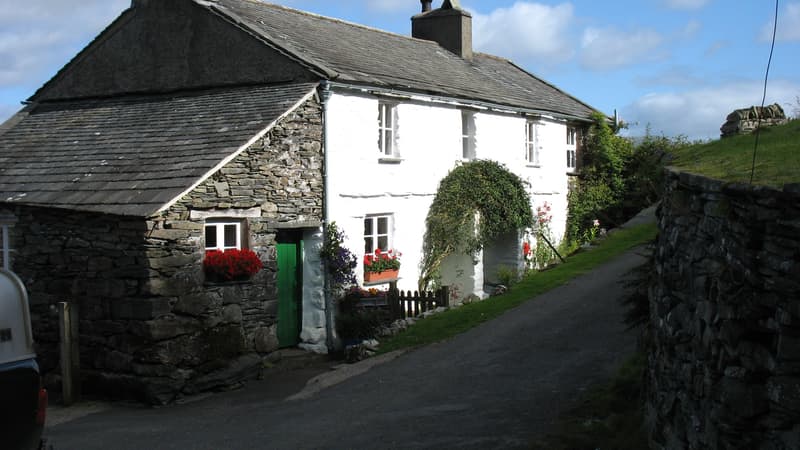
In England, many air source heat pumps are permitted development under Class G of Part 14 of the General Permitted Development Order, if they comply with the MCS planning standards. Since amendments in May 2025, you can usually have up to two on a detached house, and the outdoor unit can be up to 1.5 cubic metres GPDO Part 14. Permitted development doesn't apply to a listed building, a scheduled monument or on a pitched roof. In conservation areas and World Heritage Sites, a unit can't go on a wall or roof that fronts a highway GPDO Part 14. Scotland, Wales and Northern Ireland have their own rules, so ask your council or installer.
Making a heat pump work in an old rural house
Ofgem says heat pumps perform best in a well-insulated home, and that an EPC's "changes you could make" section can suggest improvements Ofgem. Many rural homes are old and solid-walled, so take advice before insulating. The wrong materials can trap moisture in traditional walls Historic Environment Scotland. Our guide to damp in old stone houses explains why.
Ask every installer for a room-by-room heat loss calculation, the design flow temperature, and a list of the radiators, cylinder and pipework they'll change. Comparing those, not just the headline price, tells you whether the quotes cover the same job.
Common mistakes that cost people the grant
- Starting work before the application. For BUS, the installer applies for you, and the heat pump must be commissioned within 120 days GOV.UK. In Northern Ireland, the Housing Executive says not to start until you've had written approval NIHE.
- Choosing an installer without MCS certification. BUS and the Scottish scheme both need it GOV.UK Home Energy Scotland.
- Choosing a hybrid system and then expecting a grant. Hybrids aren't eligible for BUS or in Scotland GOV.UK Home Energy Scotland.
- In Scotland, phoning Home Energy Scotland too late. Contacting them is the first step Home Energy Scotland.
If something goes wrong
For problems with a new BUS-funded system, Ofgem says to speak to your installer first. If you have problems with the installer, MCS can advise you, and consumer bodies such as RECC and HIES protect your rights Ofgem.
Ready to compare? Read our heat pump page and the oil heating page if you're keeping your boiler for now, then use the form to get local quotes.
Frequently asked questions
How much is the heat pump grant for an oil-heated home?
In England and Wales, the Boiler Upgrade Scheme gives £7,500 for an air or ground source heat pump, plus £1,500 until March 2027 if your home is heated by oil or LPG and has no mains gas GOV.UK. In Scotland, Home Energy Scotland offers up to £7,500 in grant, plus a £1,500 rural uplift where you qualify Home Energy Scotland.
Can I get the Boiler Upgrade Scheme for a holiday home or rental?
Yes. GOV.UK says you must own the property, and that includes a second home or a property you rent out GOV.UK. The Home Energy Scotland Grant and Loan is different: it's only for the home you own and live in as your main residence Home Energy Scotland.
Do I need an EPC to apply?
Not for a heat pump in Scotland: Home Energy Scotland says an EPC is only needed for energy efficiency improvements Home Energy Scotland. England's Warm Homes Local Grant does need an EPC rating of D to G, but you can find it when you apply GOV.UK.
Is there a grant for an air-to-air heat pump?
The Boiler Upgrade Scheme gives £2,500 towards an air-to-air heat pump GOV.UK. The Home Energy Scotland Grant and Loan doesn't fund them Home Energy Scotland.
Will VAT go up on heat pumps?
HMRC says the zero rate for installing heat pumps in homes runs to 31 March 2027, and the rate reverts to 5% from 1 April 2027 HMRC.