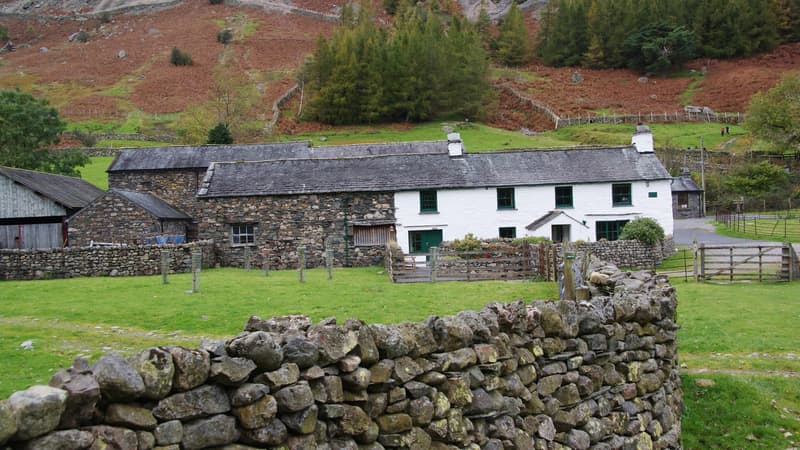
Fells, lakes and scattered farms are typical of Cumbria. Traditional stone farmhouses, long access tracks and hard winters on higher ground are all part of life here.
How homes in Cumbria are heated
| Central heating | Cumbria | England |
|---|---|---|
| Mains gas only | 68.5% | 74% |
| Oil only | 7.6% | 3.2% |
| Tank or bottled gas (LPG) only | 1.8% | 1% |
| Electric only | 5.8% | 8.7% |
| Wood only | 0.6% | 0.1% |
| Solid fuel only | 0.7% | 0.2% |
| Renewable energy only | 0.7% | 0.4% |
| Two or more types (not renewable) | 11.2% | 8.5% |
| Two or more types (including renewable) | 0.6% | 0.5% |
| No central heating | 1.8% | 1.5% |
Source: ONS Census 2021, table TS046, combining Cumberland, Westmorland and Furness (weighted by households).
- Only 68.5% of households used mains gas alone, against 74% across England. Many of the rest rely on oil, LPG, electricity or solid fuel, which is where heat pumps and the Boiler Upgrade Scheme come in.
- Oil: 7.6% of homes used oil alone, 2.4 times the England figure. Tank checks and boiler servicing matter here.
- Wood and solid fuel: 1.3% relied on wood or solid fuel alone for central heating, so chimney sweeping is a regular job for many homes.
- Within the area, Westmorland and Furness had the highest share of oil-only heating, at 9.6%.
31.5% of households in Cumbria used something other than mains gas alone (ONS Census 2021).
Local rules and things to know in Cumbria
Much of Cumbria lies in the Lake District National Park. The National Park Authority is the local planning authority there, and it decides planning and tree work applications (Lake District NPA). The English Lake District was also made a UNESCO World Heritage Site in 2017 (UNESCO), and Hadrian's Wall, part of the Frontiers of the Roman Empire site, crosses the north of the county (UNESCO).
In England, national parks, the Broads, National Landscapes (AONBs), conservation areas and World Heritage Sites count as "article 2(3) land". There, solar panels on a flat roof need a prior approval application to the planning authority before work starts, and so does stand-alone solar within 5 m of the garden boundary (GPDO Part 14). On a World Heritage Site, stand-alone solar also can't go nearer a road than the house, or within 5 m of the boundary, without planning permission (GPDO Part 14). Check before you add solar panels.
Common services in Cumbria
Damp and old stone buildings
Lime pointing and render, drainage fixes and damp surveys for old homes.
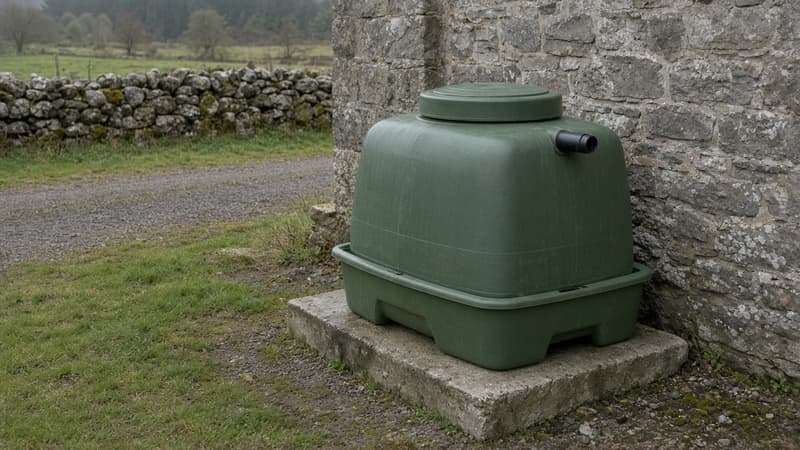
Heating oil boilers and tanks
Boiler servicing and replacement, oil tank installation and bunding.
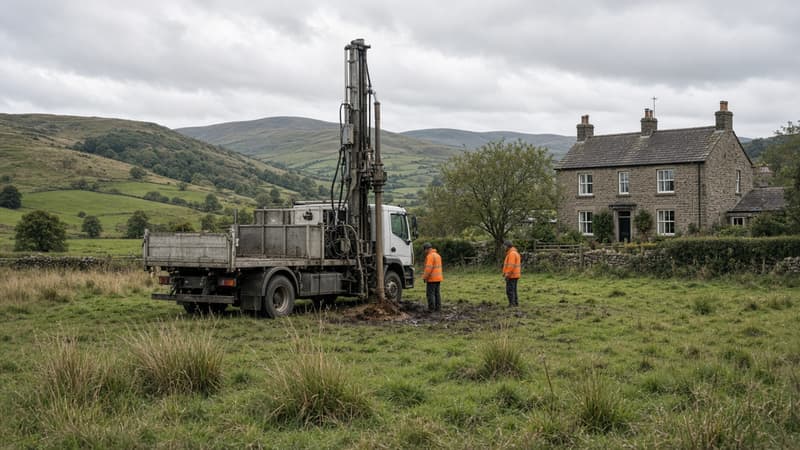
Private water supplies and boreholes
Boreholes, springs and wells: drilling, pumps, storage, testing and repairs.
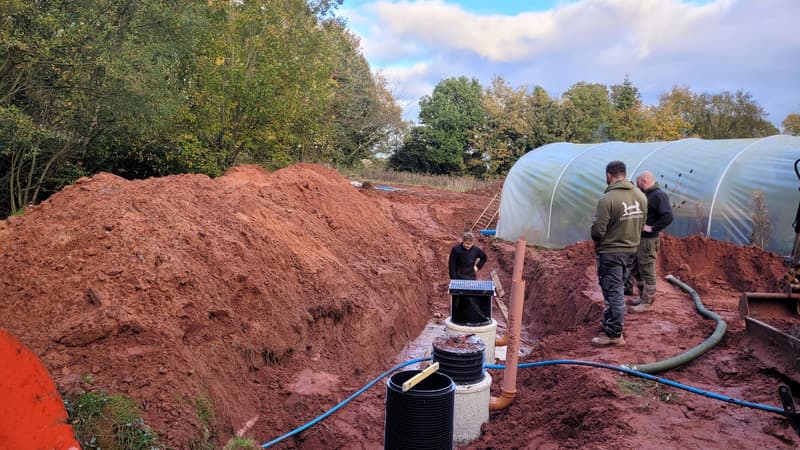
Septic tanks and treatment plants
Emptying, repairs, replacement and new treatment plants for off-mains drainage.
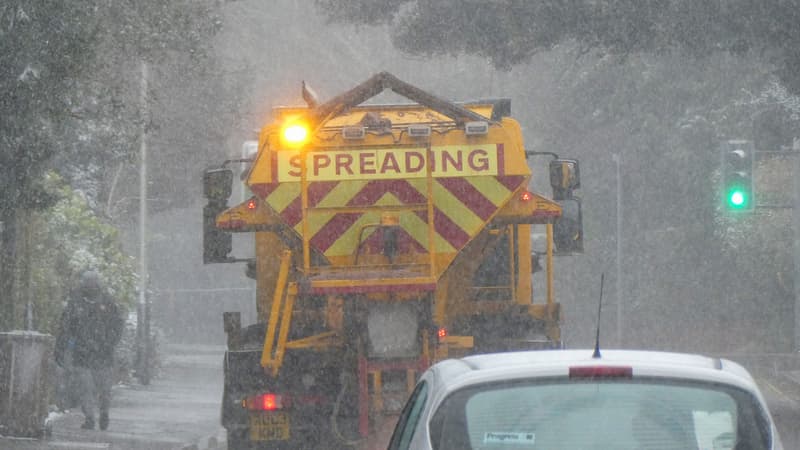
Gritting and snow clearing
Contract gritting, snow ploughing and salt bin supplies.
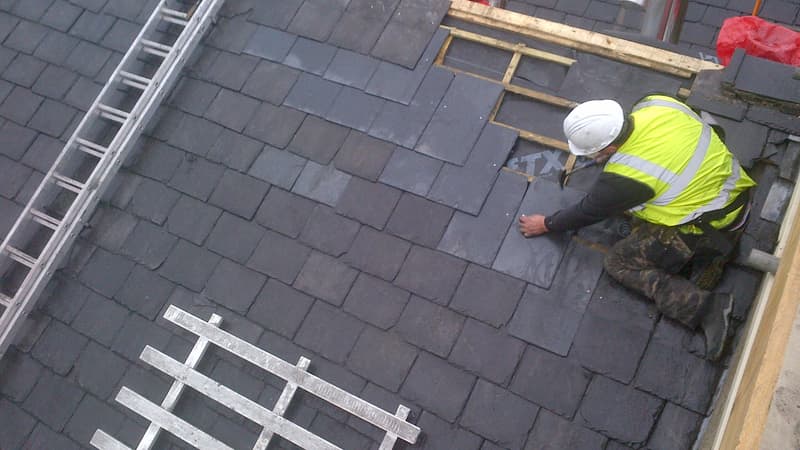
Roofing, gutters and repairs
Slate, tile and thatch repairs, gutters, flashings and chimneys.
Rules and grants that apply in Cumbria
- Septic tanks and treatment plants: small discharges that meet the Environment Agency's general binding rules don't need a permit (GOV.UK: discharges to ground; discharges to surface water). See our septic tank page.
- Oil tanks: the oil storage rules on GOV.UK cover home tanks, including when a bund is needed and the label a tank must carry (GOV.UK).
- Private water supplies: regulated by your local authority, with the Drinking Water Inspectorate overseeing them (DWI). In 2024 there were 34,859 private supplies in England, serving around 849,800 people (DWI).
- Heat pump and biomass grants: the Boiler Upgrade Scheme is open in England and Wales (GOV.UK).
- Planning: many small jobs, from fences to solar panels, are permitted development under the General Permitted Development Order, within limits (GPDO Part 2; Part 14).
Councils and towns covered
Local authorities: Cumberland Council, Westmorland and Furness Council.
We'll look for suppliers who cover Cumbria, including:
- Carlisle
- Penrith
- Kendal
- Keswick
- Cockermouth
- Ambleside
- Windermere
- Appleby-in-Westmorland
- Brampton
- Ulverston
- Wigton
- Sedbergh
The list isn't complete. Enter your postcode in the form and we'll look for suppliers who cover your property.
Other areas in England
Northumberland · North Yorkshire · Lincolnshire · Norfolk · Devon · Cornwall · Shropshire · Herefordshire · All of England
Frequently asked questions
How are most homes in Cumbria heated?
In the 2021 census, 68.5% of households in Cumbria used mains gas alone, 7.6% used oil alone and 5.8% used electricity alone.
Can I get a heat pump grant in Cumbria?
Yes. The Boiler Upgrade Scheme gives £7,500 towards an air source or ground source heat pump in England and Wales, and until March 2027 homes heated by oil or LPG with no mains gas connection may get an additional £1,500.
Do you cover all of Cumbria?
Yes. Enter your postcode and we'll look for up to 3 local suppliers who cover your property, including outlying villages and farms.