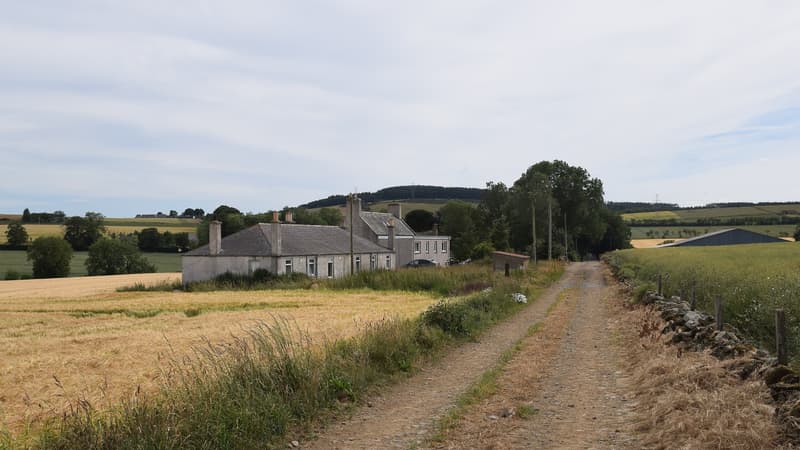
Farm steadings, cottages and self-builds spread across the countryside between the Cairngorms and the coast. Many rely on oil heating, private drainage and private water, and winter brings snow to the higher ground.
How homes in Aberdeenshire and Moray are heated
In Scotland's Census 2022, 21% of households in Aberdeenshire had oil central heating, one of the highest shares on the mainland. In some data zones in Aberdeenshire, up to 74% of households use oil (Rural Exchange, Census 2022).
Local rules and things to know in Aberdeenshire and Moray
Aberdeenshire has more small private water supplies than anywhere else in Scotland. The Drinking Water Quality Regulator counts 7,427 Type B supplies serving about 21,573 people, plus 720 regulated supplies. Moray has 303 regulated and 627 Type B supplies. The regulator's report says a supply counts as regulated if it serves 50 or more people, provides 10 cubic metres or more a day, or supplies premises used for commercial or public activities, and that all regulated supplies must be sampled and tested each year (DWQR 2024). If your home is on a private water supply, regular testing and treatment are down to you as the owner or user.
If your septic tank or treatment plant drains to land through a soakaway, SEPA says you need to apply to the council for a building warrant before you build the soakaway, and it must be built to the Building Standards Technical Handbook (SEPA).
Parts of both council areas lie in the Cairngorms National Park. Applications there still go to the council, and the Park Authority can call in any that raise a planning issue of general significance to the park (CNPA).
Common services in Aberdeenshire and Moray
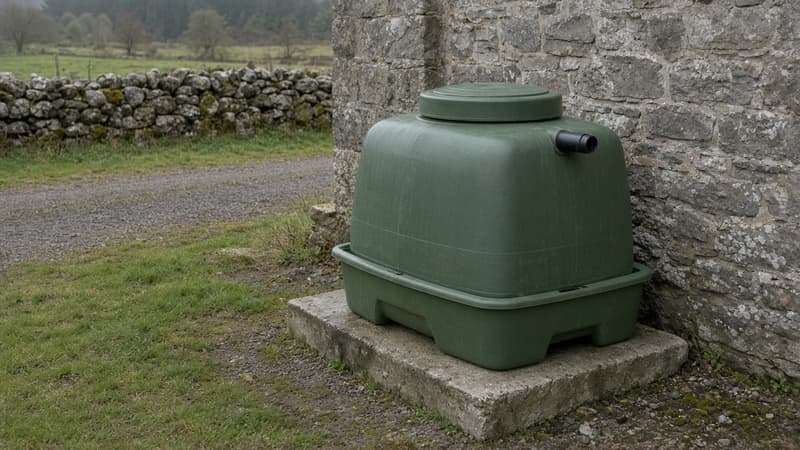
Heating oil boilers and tanks
Boiler servicing and replacement, oil tank installation and bunding.
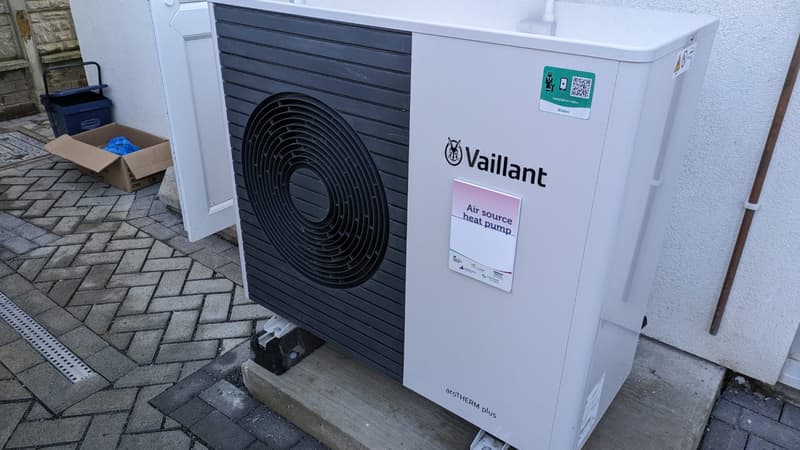
Heat pumps
Air and ground source heat pumps, with grant-eligible MCS installers.
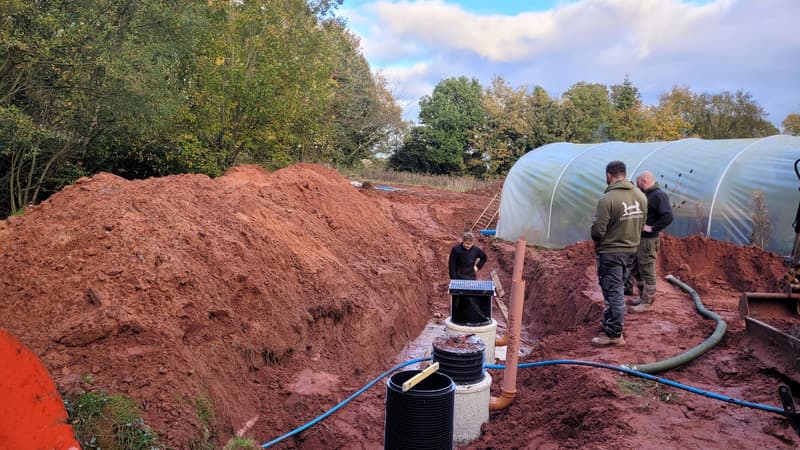
Septic tanks and treatment plants
Emptying, repairs, replacement and new treatment plants for off-mains drainage.
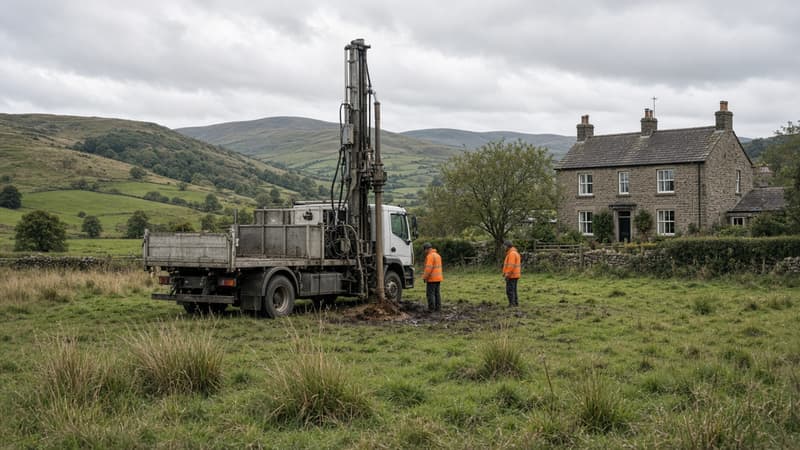
Private water supplies and boreholes
Boreholes, springs and wells: drilling, pumps, storage, testing and repairs.
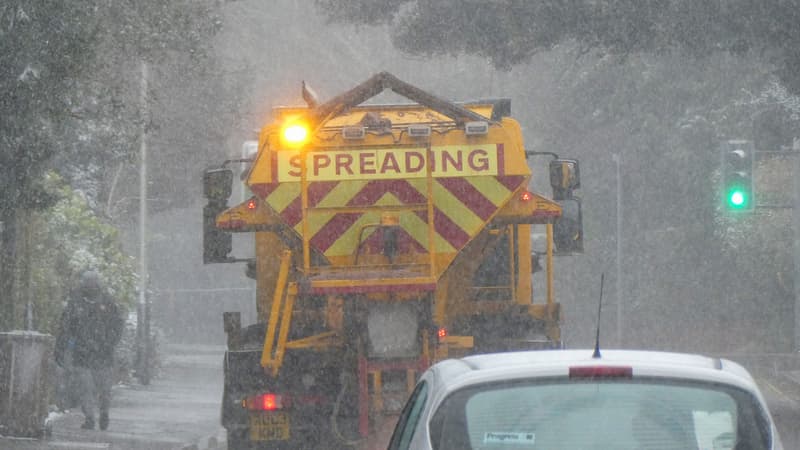
Gritting and snow clearing
Contract gritting, snow ploughing and salt bin supplies.
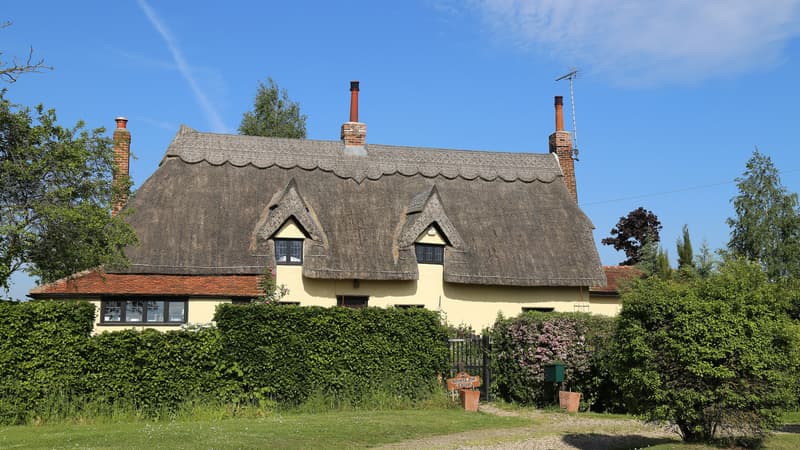
Chimney sweeping
Sweeping, CCTV flue inspections, bird guards and cowls.
Rules and grants that apply in Aberdeenshire and Moray
- Heating grants: Home Energy Scotland grants include a £1,500 rural and island uplift on heating and energy efficiency grants, and rural households can claim up to £18,000 (Home Energy Scotland). The Boiler Upgrade Scheme doesn't apply in Scotland.
- Septic tanks: every private sewage discharge needs SEPA authorisation, now under the Environmental Authorisations (Scotland) Regulations (SEPA). Scottish Water also offers a de-sludging service at set charges (Scottish Water).
- Private water supplies: regulated by local authorities, with the Drinking Water Quality Regulator for Scotland overseeing them (DWQR). Grants towards improving a private supply are available (mygov.scot).
- CO and smoke alarms: Scottish homes must have interlinked fire alarms and, where there's a carbon-fuelled appliance such as a boiler or stove, a carbon monoxide detector (Scottish Government).
- Snow and ice: roads authorities must take reasonable steps on public roads, but not private tracks (Roads (Scotland) Act 1984, s34).
Councils and towns covered
Local authorities: Aberdeenshire Council, Moray Council.
We'll look for suppliers who cover Aberdeenshire and Moray, including:
- Inverurie
- Ellon
- Peterhead
- Fraserburgh
- Banchory
- Huntly
- Elgin
- Forres
- Keith
- Buckie
- Aberlour
- Tomintoul
The list isn't complete. Enter your postcode in the form and we'll look for suppliers who cover your property.
Other areas in Scotland
Highlands and Islands · South of Scotland · All of Scotland
Frequently asked questions
Do many homes in Aberdeenshire use heating oil?
Yes. 21% of Aberdeenshire households had oil central heating in the 2022 census, and in some data zones up to 74% do.
Who regulates septic tanks in Moray and Aberdeenshire?
SEPA authorises private sewage discharges across Scotland. If the system drains to land through a soakaway, SEPA says you need to apply to the council for a building warrant before you build the soakaway (see the local rules above).