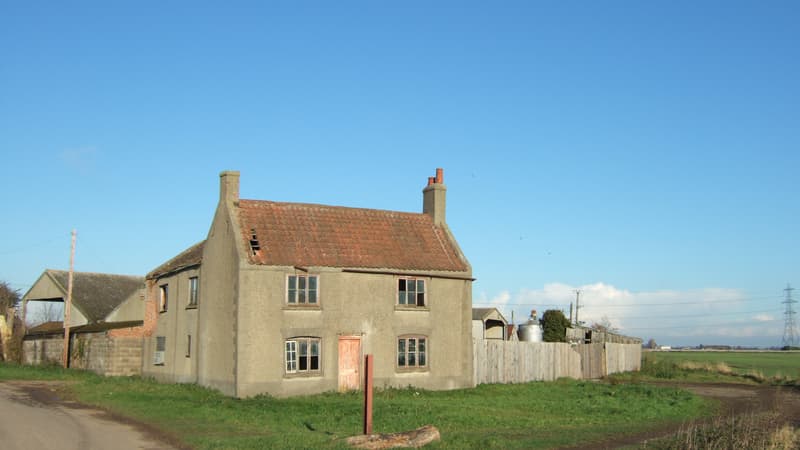
Flat fenland, the Wolds and the coast give Lincolnshire a big rural population. Drainage ditches and dykes are part of the landscape, and many villages are off the gas grid.
How homes in Lincolnshire are heated
| Central heating | Lincolnshire | England |
|---|---|---|
| Mains gas only | 65.7% | 74% |
| Oil only | 11.9% | 3.2% |
| Tank or bottled gas (LPG) only | 2.1% | 1% |
| Electric only | 7.1% | 8.7% |
| Wood only | 0.3% | 0.1% |
| Solid fuel only | 0.7% | 0.2% |
| Renewable energy only | 0.9% | 0.4% |
| Two or more types (not renewable) | 8.8% | 8.5% |
| Two or more types (including renewable) | 0.7% | 0.5% |
| No central heating | 1% | 1.5% |
Source: ONS Census 2021, table TS046, combining Boston, East Lindsey, Lincoln, North Kesteven, South Holland, South Kesteven, West Lindsey (weighted by households).
- Only 65.7% of households used mains gas alone, against 74% across England. Many of the rest rely on oil, LPG, electricity or solid fuel, which is where heat pumps and the Boiler Upgrade Scheme come in.
- Oil: 11.9% of homes used oil alone, 3.7 times the England figure. Tank checks and boiler servicing matter here.
- LPG: 2.1% used tank or bottled gas alone, against 1% nationally. See LPG.
- Renewables: 0.9% already used renewable heating alone, above the 0.4% average.
- Within the area, East Lindsey had the highest share of oil-only heating, at 19.3%.
34.3% of households in Lincolnshire used something other than mains gas alone (ONS Census 2021).
Local rules and things to know in Lincolnshire
Much of Lincolnshire is drained by ditches and dykes. Works on or near a watercourse may need consent. That means the Environment Agency for main rivers, the sea and sea defences, the Internal Drainage Board for ordinary watercourses in its district, and Lincolnshire County Council for ordinary watercourses outside IDB districts. Applications for land drainage consent go to the relevant IDB (Lincolnshire County Council).
So before you culvert a ditch for a new entrance or change a drainage outfall, find out which body covers your land.
Common services in Lincolnshire
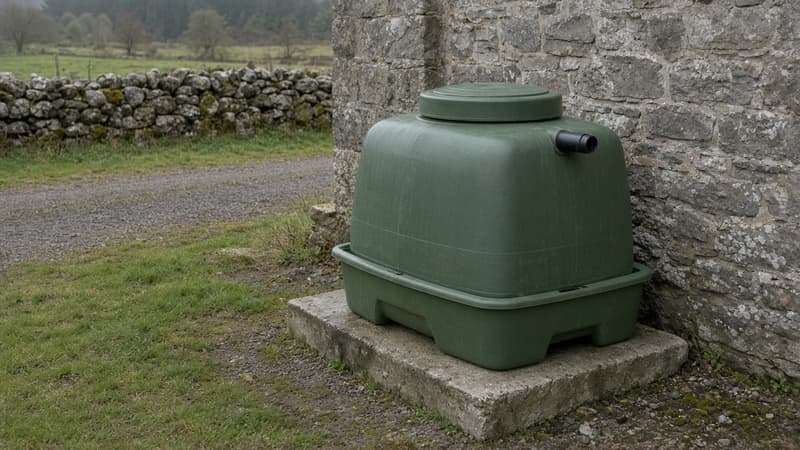
Heating oil boilers and tanks
Boiler servicing and replacement, oil tank installation and bunding.
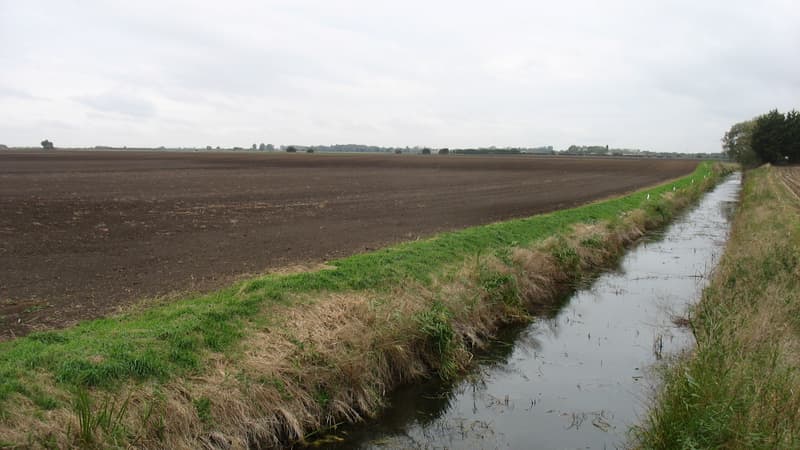
Drainage, ditches and soakaways
Drain unblocking, CCTV surveys, soakaways, field drains and ditch clearance.
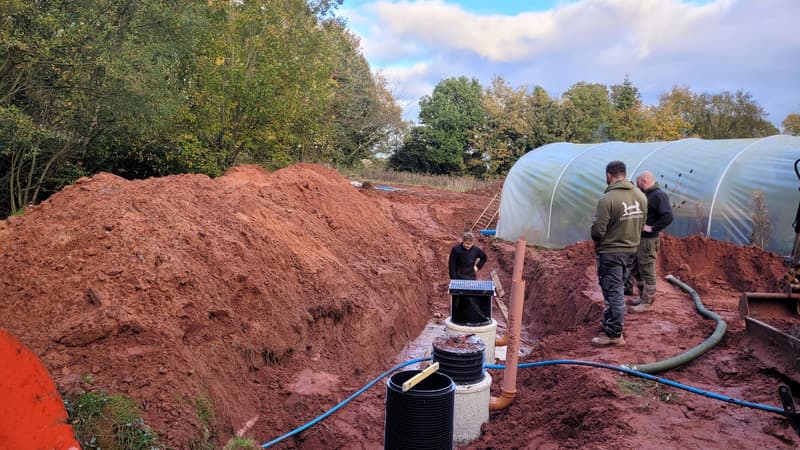
Septic tanks and treatment plants
Emptying, repairs, replacement and new treatment plants for off-mains drainage.
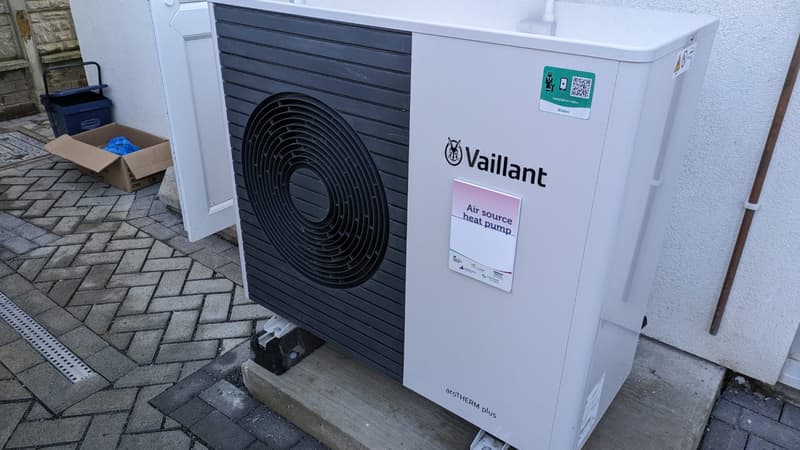
Heat pumps
Air and ground source heat pumps, with grant-eligible MCS installers.
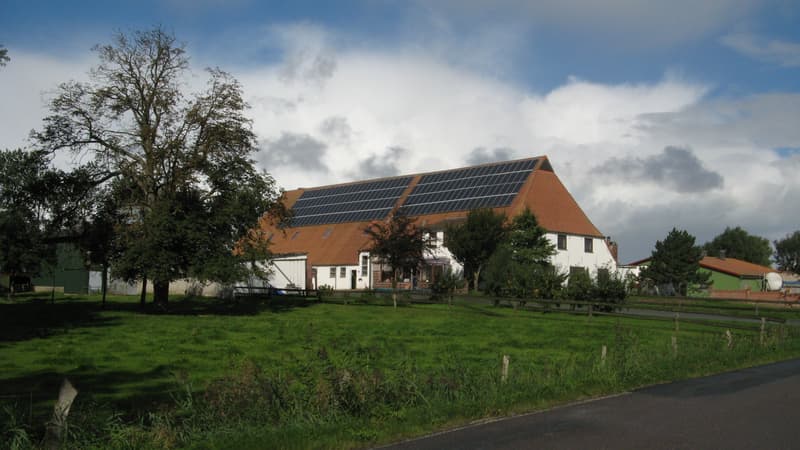
Solar panels and batteries
Roof and ground-mounted solar PV, home batteries and export tariffs.
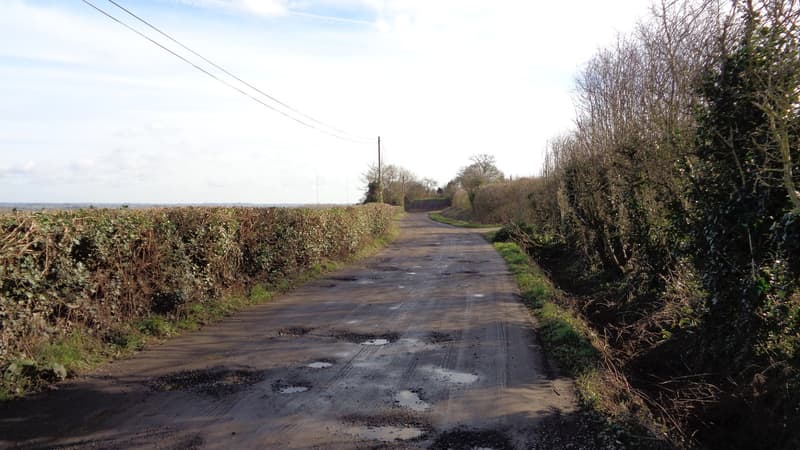
Driveways and farm tracks
Track repairs, resurfacing, gravel, tarmac and drainage.
Rules and grants that apply in Lincolnshire
- Septic tanks and treatment plants: small discharges that meet the Environment Agency's general binding rules don't need a permit (GOV.UK: discharges to ground; discharges to surface water). See our septic tank page.
- Oil tanks: the oil storage rules on GOV.UK cover home tanks, including when a bund is needed and the label a tank must carry (GOV.UK).
- Private water supplies: regulated by your local authority, with the Drinking Water Inspectorate overseeing them (DWI). In 2024 there were 34,859 private supplies in England, serving around 849,800 people (DWI).
- Heat pump and biomass grants: the Boiler Upgrade Scheme is open in England and Wales (GOV.UK).
- Planning: many small jobs, from fences to solar panels, are permitted development under the General Permitted Development Order, within limits (GPDO Part 2; Part 14).
Councils and towns covered
Local authorities: Boston, East Lindsey, City of Lincoln, North Kesteven, South Holland, South Kesteven, West Lindsey (district councils, with Lincolnshire County Council).
We'll look for suppliers who cover Lincolnshire, including:
- Louth
- Horncastle
- Spalding
- Boston
- Sleaford
- Market Rasen
- Gainsborough
- Grantham
- Stamford
- Skegness
- Bourne
- Alford
The list isn't complete. Enter your postcode in the form and we'll look for suppliers who cover your property.
Other areas in England
Cumbria · Northumberland · North Yorkshire · Norfolk · Devon · Cornwall · Shropshire · Herefordshire · All of England
Frequently asked questions
How are most homes in Lincolnshire heated?
In the 2021 census, 65.7% of households in Lincolnshire used mains gas alone, 11.9% used oil alone and 7.1% used electricity alone.
Can I get a heat pump grant in Lincolnshire?
Yes. The Boiler Upgrade Scheme gives £7,500 towards an air source or ground source heat pump in England and Wales, and until March 2027 homes heated by oil or LPG with no mains gas connection may get an additional £1,500.
Do you cover all of Lincolnshire?
Yes. Enter your postcode and we'll look for up to 3 local suppliers who cover your property, including outlying villages and farms.