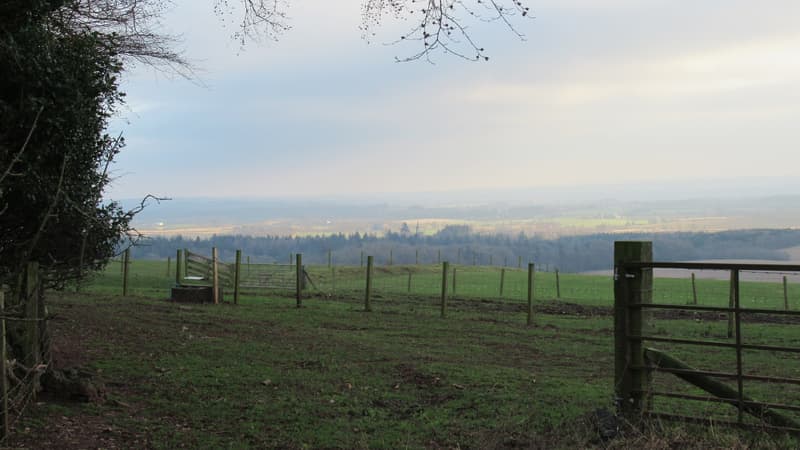
Dairy and hill farms, forestry and long private tracks are typical of Dumfries and Galloway and the Scottish Borders. Older stone farmhouses and cottages are common, which brings its own maintenance needs.
How homes in the South of Scotland are heated
Scotland's Census 2022 found that 17% of households in Dumfries and Galloway had oil central heating, and showed high concentrations of oil heating in parts of the South of Scotland (Rural Exchange, Census 2022).
Local rules and things to know in South of Scotland
Private water supplies are common across the South of Scotland. The Drinking Water Quality Regulator's 2024 report lists 534 regulated supplies serving about 15,507 people in Dumfries and Galloway, plus 944 smaller Type B supplies. The Scottish Borders has 495 regulated supplies serving about 10,555 people, and 973 Type B supplies (DWQR 2024).
Holiday lets, B&Bs and other commercial premises on a private water supply count as regulated supplies, and every regulated supply has to be sampled and tested each year (DWQR 2024).
If your septic tank or treatment plant drains through a soakaway, you'll need a building warrant from the council before you build the soakaway (SEPA).
Common services in South of Scotland
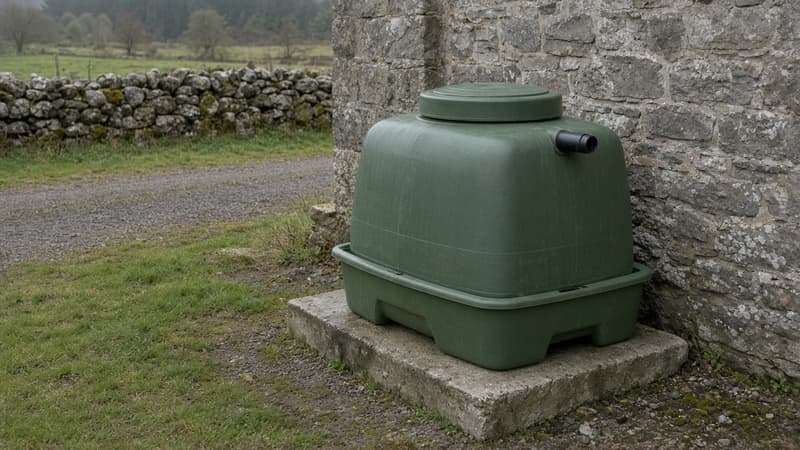
Heating oil boilers and tanks
Boiler servicing and replacement, oil tank installation and bunding.
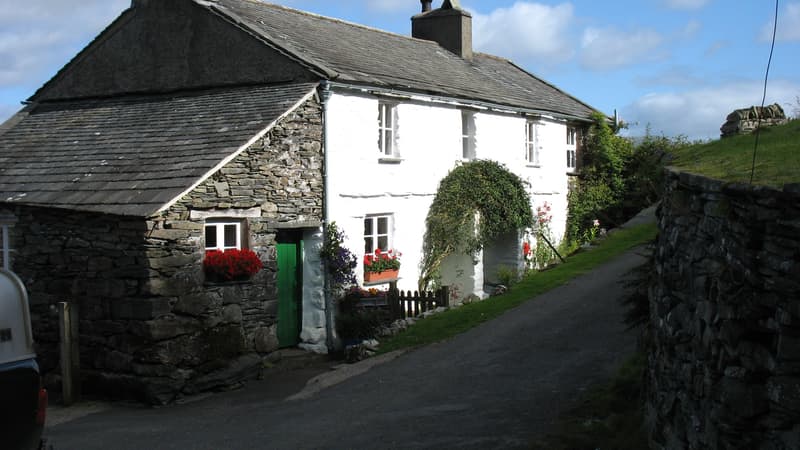
Damp and old stone buildings
Lime pointing and render, drainage fixes and damp surveys for old homes.
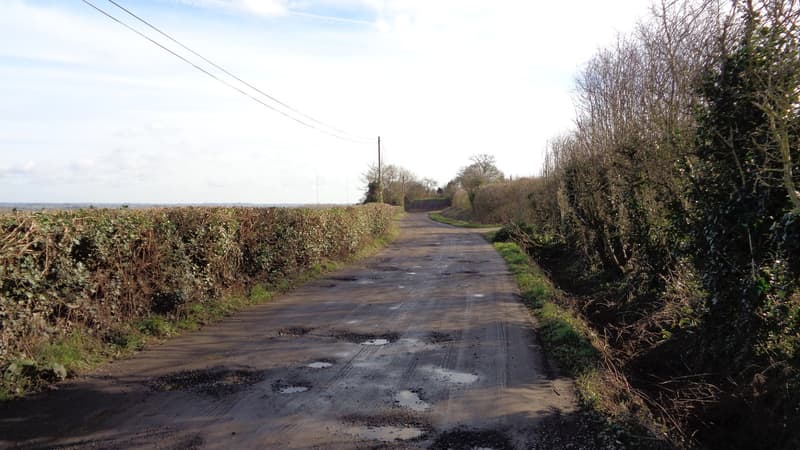
Driveways and farm tracks
Track repairs, resurfacing, gravel, tarmac and drainage.
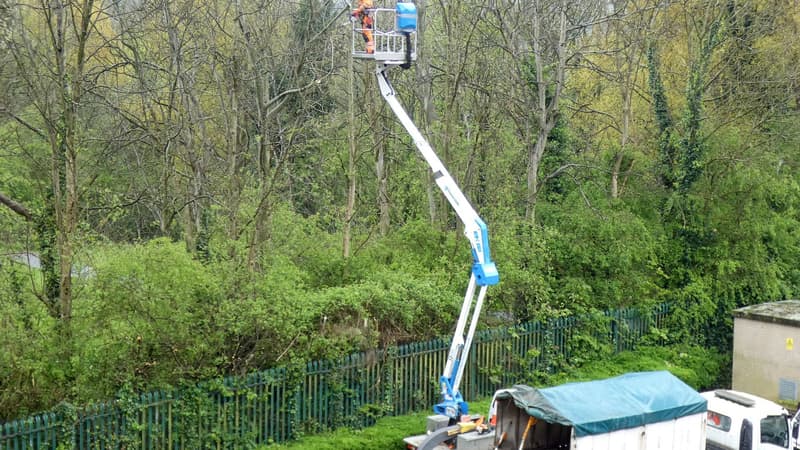
Tree surgery and hedge cutting
Felling, pruning, storm damage, stump grinding and hedge cutting.
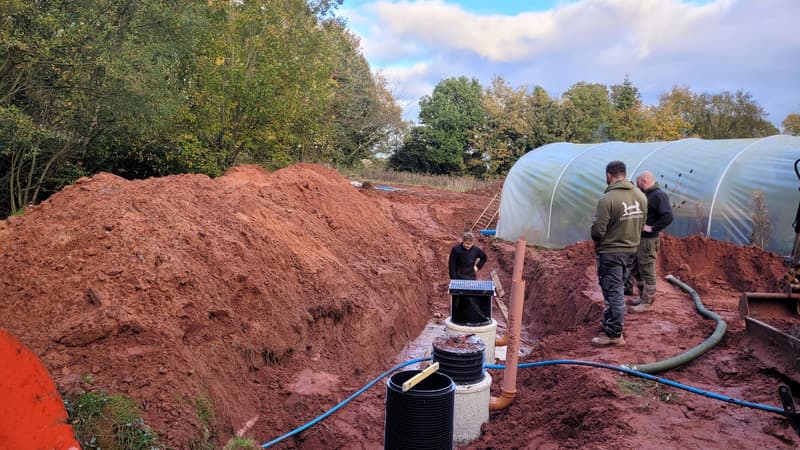
Septic tanks and treatment plants
Emptying, repairs, replacement and new treatment plants for off-mains drainage.
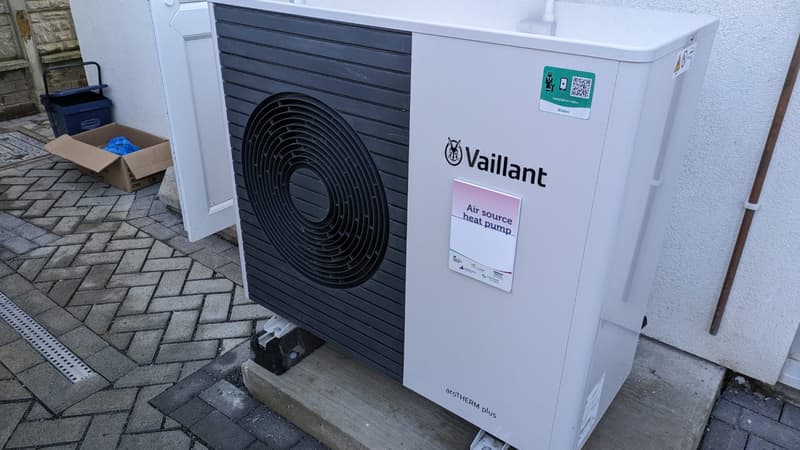
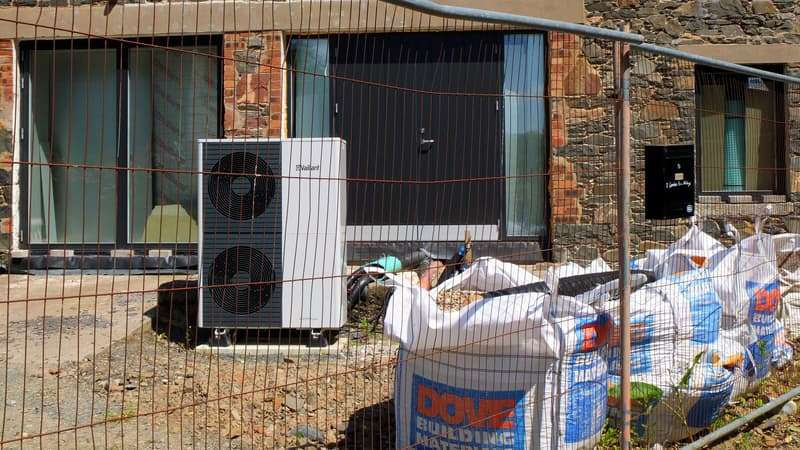
Heat pumps
Air and ground source heat pumps, with grant-eligible MCS installers.
Rules and grants that apply in South of Scotland
- Heating grants: Home Energy Scotland grants include a £1,500 rural and island uplift on heating and energy efficiency grants, and rural households can claim up to £18,000 (Home Energy Scotland). The Boiler Upgrade Scheme doesn't apply in Scotland.
- Septic tanks: every private sewage discharge needs SEPA authorisation, now under the Environmental Authorisations (Scotland) Regulations (SEPA). Scottish Water also offers a de-sludging service at set charges (Scottish Water).
- Private water supplies: regulated by local authorities, with the Drinking Water Quality Regulator for Scotland overseeing them (DWQR). Grants towards improving a private supply are available (mygov.scot).
- CO and smoke alarms: Scottish homes must have interlinked fire alarms and, where there's a carbon-fuelled appliance such as a boiler or stove, a carbon monoxide detector (Scottish Government).
- Snow and ice: roads authorities must take reasonable steps on public roads, but not private tracks (Roads (Scotland) Act 1984, s34).
Councils and towns covered
Local authorities: Dumfries and Galloway Council, Scottish Borders Council.
We'll look for suppliers who cover the South of Scotland, including:
- Dumfries
- Stranraer
- Castle Douglas
- Newton Stewart
- Kirkcudbright
- Lockerbie
- Galashiels
- Hawick
- Kelso
- Peebles
- Jedburgh
- Duns
The list isn't complete. Enter your postcode in the form and we'll look for suppliers who cover your property.
Other areas in Scotland
Highlands and Islands · Aberdeenshire and Moray · All of Scotland
Frequently asked questions
Is oil heating common in Dumfries and Galloway?
Yes. 17% of households had oil central heating in the 2022 census, much higher than about 5% across Scotland.
Can I get a grant for a heat pump in the Scottish Borders?
Home Energy Scotland grants are available across Scotland, with a £1,500 rural uplift for eligible homes. The Boiler Upgrade Scheme doesn't apply in Scotland.