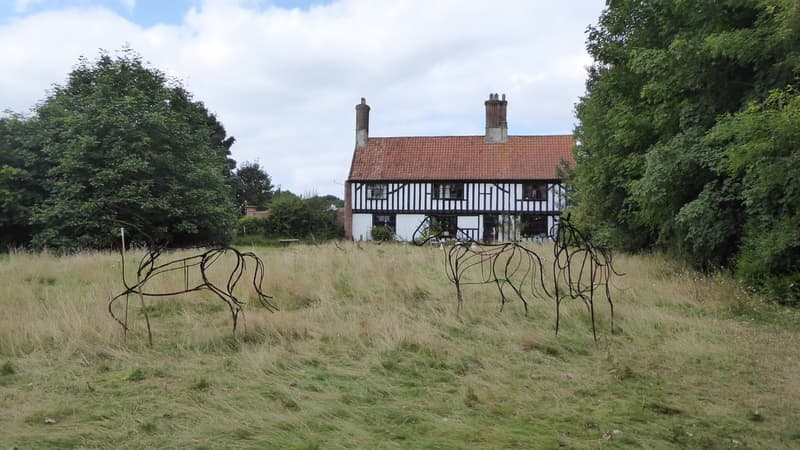
Norfolk is a county of villages, farms and flint cottages, and many of them are off the gas grid.
How homes in Norfolk are heated
| Central heating | Norfolk | England |
|---|---|---|
| Mains gas only | 56.8% | 74% |
| Oil only | 17.3% | 3.2% |
| Tank or bottled gas (LPG) only | 1.6% | 1% |
| Electric only | 9.8% | 8.7% |
| Wood only | 0.3% | 0.1% |
| Solid fuel only | 0.3% | 0.2% |
| Renewable energy only | 1.5% | 0.4% |
| Two or more types (not renewable) | 9.1% | 8.5% |
| Two or more types (including renewable) | 0.9% | 0.5% |
| No central heating | 1.3% | 1.5% |
Source: ONS Census 2021, table TS046, combining Breckland, Broadland, Great Yarmouth, King's Lynn and West Norfolk, North Norfolk, Norwich, South Norfolk (weighted by households).
- Only 56.8% of households used mains gas alone, against 74% across England. Many of the rest rely on oil, LPG, electricity or solid fuel, which is where heat pumps and the Boiler Upgrade Scheme come in.
- Oil: 17.3% of homes used oil alone, 5.4 times the England figure. Tank checks and boiler servicing matter here.
- Electric heating: 9.8% used electric heating alone, more than the 8.7% average.
- Renewables: 1.5% already used renewable heating alone, above the 0.4% average.
- Within the area, King's Lynn and West Norfolk had the highest share of oil-only heating, at 25.1%.
43.2% of households in Norfolk used something other than mains gas alone (ONS Census 2021).
Local rules and things to know in Norfolk
The Broads Authority is the local planning authority for all land and property in its area. It says new piling, quay-heading and moorings generally require planning permission there, as does extending a garden onto grazing marsh or arable land, and that domestic wind turbines always require permission (Broads Authority).
Natural England has advised all Norfolk planning authorities that new overnight accommodation in the catchments of the Broads SAC and Ramsar site can add to nutrient pollution. The Broads Authority can only approve this kind of development there if suitable mitigation is secured (Broads Authority). That matters if you're adding a dwelling or a holiday let that needs a new septic tank or treatment plant.
Common services in Norfolk
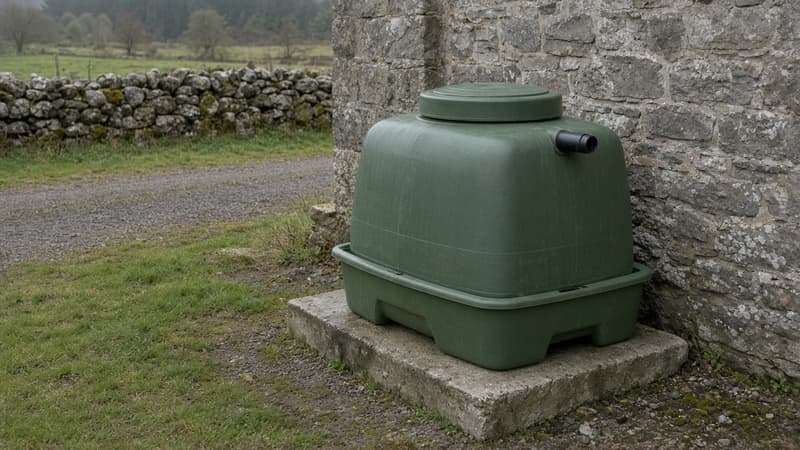
Heating oil boilers and tanks
Boiler servicing and replacement, oil tank installation and bunding.
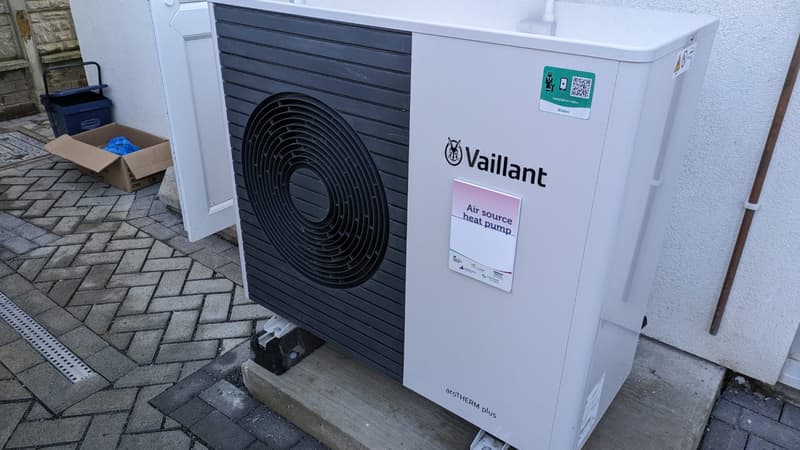
Heat pumps
Air and ground source heat pumps, with grant-eligible MCS installers.
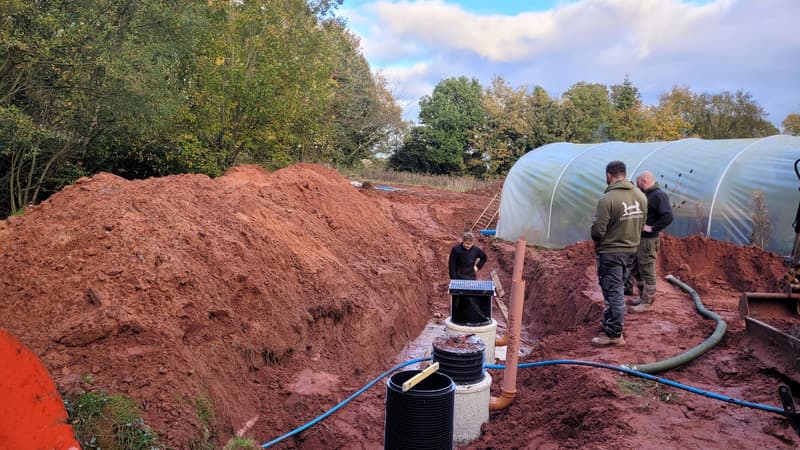
Septic tanks and treatment plants
Emptying, repairs, replacement and new treatment plants for off-mains drainage.
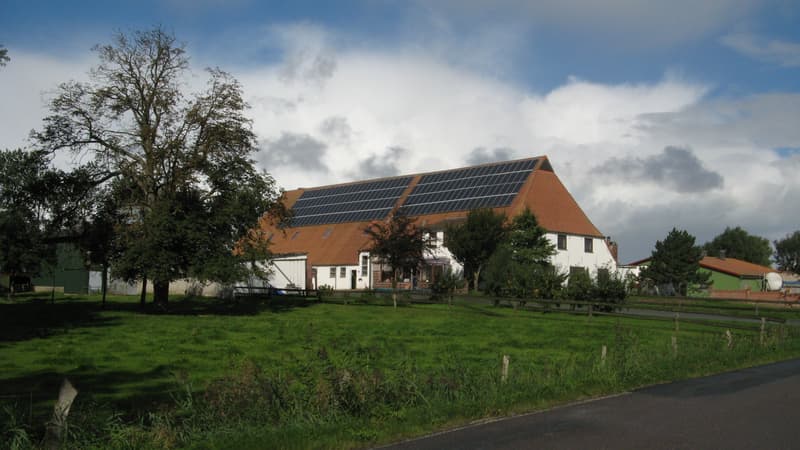
Solar panels and batteries
Roof and ground-mounted solar PV, home batteries and export tariffs.
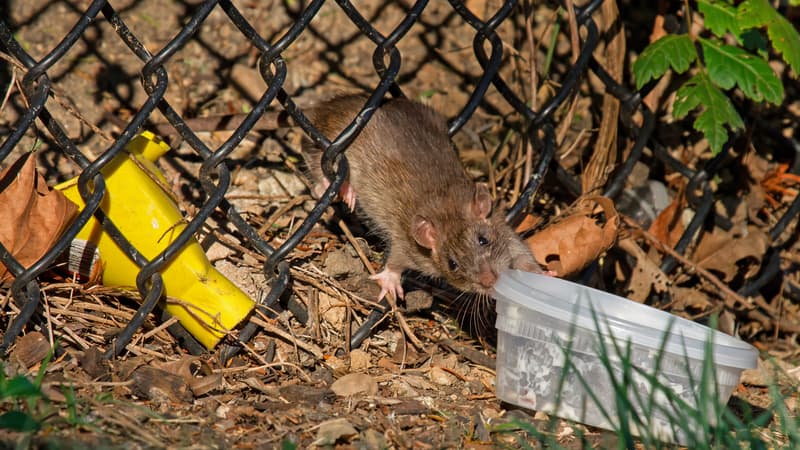
Pest control
Rats, mice, wasps, moles and proofing for homes and outbuildings.
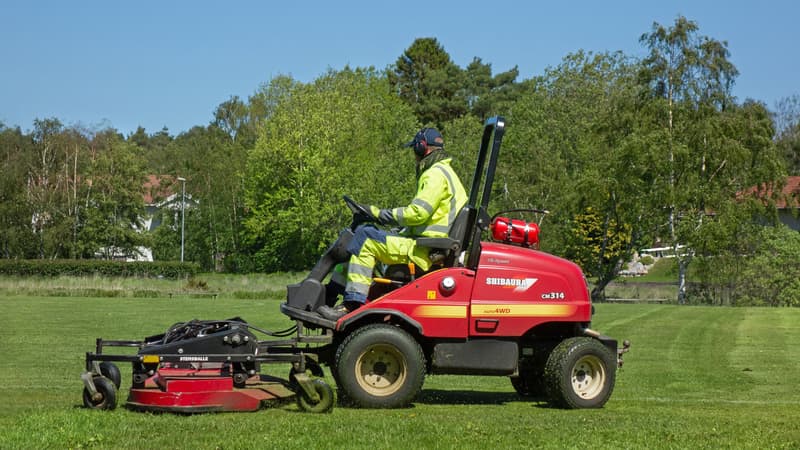
Garden and grounds maintenance
Grass cutting, paddock topping, hedges, clearance and weed control.
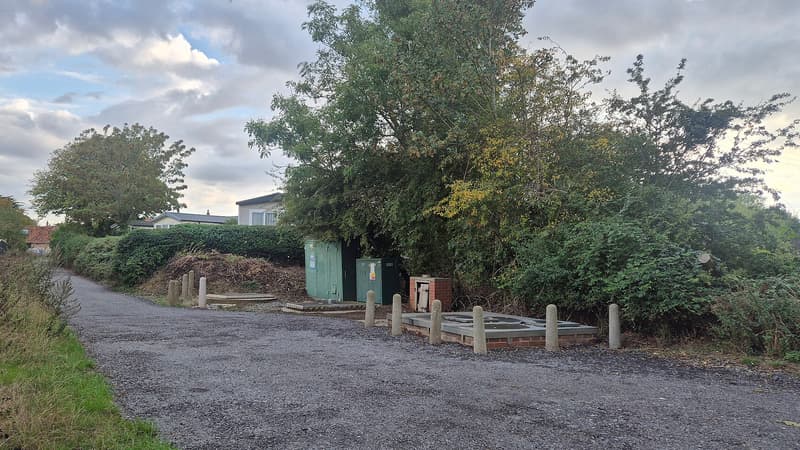
Rules and grants that apply in Norfolk
- Septic tanks and treatment plants: small discharges that meet the Environment Agency's general binding rules don't need a permit (GOV.UK: discharges to ground; discharges to surface water). See our septic tank page.
- Oil tanks: the oil storage rules on GOV.UK cover home tanks, including when a bund is needed and the label a tank must carry (GOV.UK).
- Private water supplies: regulated by your local authority, with the Drinking Water Inspectorate overseeing them (DWI). In 2024 there were 34,859 private supplies in England, serving around 849,800 people (DWI).
- Heat pump and biomass grants: the Boiler Upgrade Scheme is open in England and Wales (GOV.UK).
- Planning: many small jobs, from fences to solar panels, are permitted development under the General Permitted Development Order, within limits (GPDO Part 2; Part 14).
Councils and towns covered
Local authorities: Breckland, Broadland, Great Yarmouth, King's Lynn and West Norfolk, North Norfolk, Norwich, South Norfolk (with Norfolk County Council).
We'll look for suppliers who cover Norfolk, including:
- Holt
- Fakenham
- Aylsham
- North Walsham
- Swaffham
- Dereham
- Wymondham
- Diss
- Downham Market
- Cromer
- Wells-next-the-Sea
- Watton
The list isn't complete. Enter your postcode in the form and we'll look for suppliers who cover your property.
Other areas in England
Cumbria · Northumberland · North Yorkshire · Lincolnshire · Devon · Cornwall · Shropshire · Herefordshire · All of England
Frequently asked questions
How are most homes in Norfolk heated?
In the 2021 census, 56.8% of households in Norfolk used mains gas alone, 17.3% used oil alone and 9.8% used electricity alone.
Can I get a heat pump grant in Norfolk?
Yes. The Boiler Upgrade Scheme gives £7,500 towards an air source or ground source heat pump in England and Wales, and until March 2027 homes heated by oil or LPG with no mains gas connection may get an additional £1,500.
Do you cover all of Norfolk?
Yes. Enter your postcode and we'll look for up to 3 local suppliers who cover your property, including outlying villages and farms.