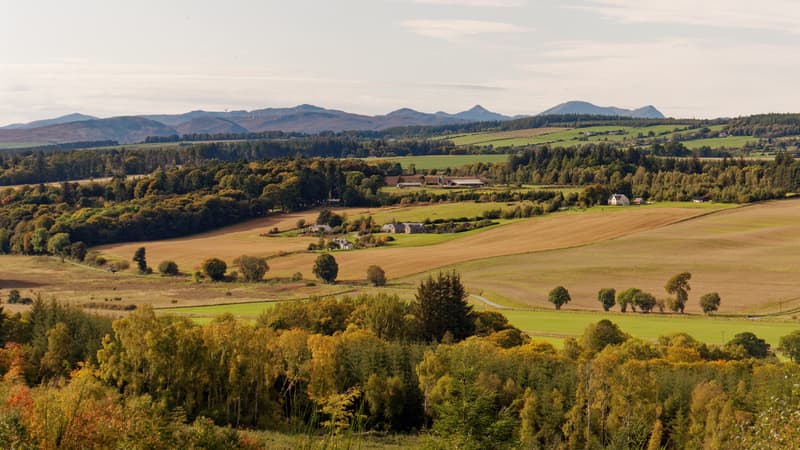
Heating in rural Scotland
Scotland's Census 2022 shows about 5% of households use heating oil, but around 35% in very remote rural mainland areas and 33% in remote rural island areas. The Scottish Government reports that 12% of households aren't connected to the gas grid (Rural Exchange, Census 2022).
Key rules and grants for rural homes in Scotland
- Heating grants: Home Energy Scotland grants include a £1,500 rural and island uplift on heating and energy efficiency grants, and rural households can claim up to £18,000 (Home Energy Scotland). The Boiler Upgrade Scheme doesn't apply in Scotland.
- Septic tanks: every private sewage discharge needs SEPA authorisation, now under the Environmental Authorisations (Scotland) Regulations (SEPA). Scottish Water also offers a de-sludging service at set charges (Scottish Water).
- Private water supplies: regulated by local authorities, with the Drinking Water Quality Regulator for Scotland overseeing them (DWQR). Grants towards improving a private supply are available (mygov.scot).
- CO and smoke alarms: Scottish homes must have interlinked fire alarms and, where there's a carbon-fuelled appliance such as a boiler or stove, a carbon monoxide detector (Scottish Government).
- Snow and ice: roads authorities must take reasonable steps on public roads, but not private tracks (Roads (Scotland) Act 1984, s34).
Local guides in Scotland
Services
- Septic tanks and treatment plants
- Drainage, ditches and soakaways
- Private water supplies and boreholes
- Water treatment and filtration
- Heating oil boilers and tanks
- LPG tanks and boilers
- Biomass boilers and wood burners
- Chimney sweeping
- Heat pumps
- Solar panels and batteries
- Off-grid power and generators
- Rural and satellite broadband
- Fencing and gates
- Tree surgery and hedge cutting
- Driveways and farm tracks
- Garden and grounds maintenance
- Gritting and snow clearing
- Roofing, gutters and repairs
- Damp and old stone buildings
- Pest control