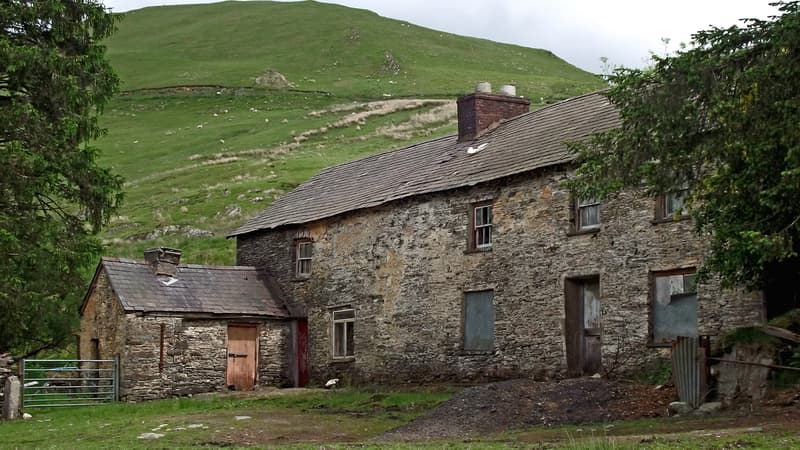
How homes in Wales are heated
| Central heating | Wales |
|---|---|
| Mains gas only | 71.6% |
| Oil only | 7.8% |
| Tank or bottled gas (LPG) only | 2% |
| Electric only | 5.3% |
| Wood only | 0.3% |
| Solid fuel only | 0.6% |
| Renewable energy only | 0.5% |
| Two or more types (not renewable) | 9.2% |
| Two or more types (including renewable) | 0.6% |
| No central heating | 1.2% |
Source: ONS Census 2021, table TS046.
Key rules for rural homes in Wales
- Septic tanks and treatment plants: most need a free registration with Natural Resources Wales (NRW). See our septic tank page.
- Oil tanks: GOV.UK notes that Wales has different oil storage regulations from England, so check the Welsh rules with your installer (GOV.UK).
- Heat pump and biomass grants: the Boiler Upgrade Scheme is open in England and Wales (GOV.UK).
- Private water supplies: local authorities, Public Health Wales and the Drinking Water Inspectorate share responsibilities for private supplies in England and Wales (DWI).
Local guides in Wales
Services
- Septic tanks and treatment plants
- Drainage, ditches and soakaways
- Private water supplies and boreholes
- Water treatment and filtration
- Heating oil boilers and tanks
- LPG tanks and boilers
- Biomass boilers and wood burners
- Chimney sweeping
- Heat pumps
- Solar panels and batteries
- Off-grid power and generators
- Rural and satellite broadband
- Fencing and gates
- Tree surgery and hedge cutting
- Driveways and farm tracks
- Garden and grounds maintenance
- Gritting and snow clearing
- Roofing, gutters and repairs
- Damp and old stone buildings
- Pest control